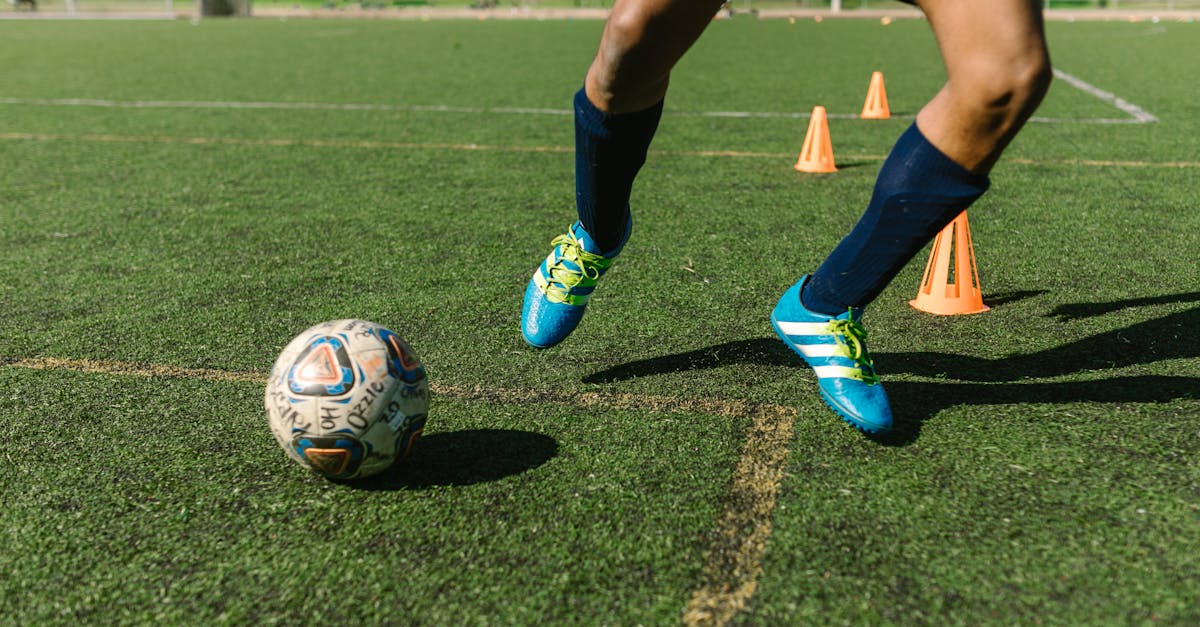

Learning how to kick a soccer ball properly changed my entire game. Whether I’m aiming for a powerful shot or a precise pass I know the right technique makes all the difference. It’s not just about strength—it’s about balance body position and timing.
When I first started out I struggled to get the ball where I wanted it to go. After some practice and a few helpful tips I realized anyone can improve their kick with the right approach. Mastering this skill opens up new possibilities on the field and boosts confidence every time I play.
Materials Needed
Proper materials strengthen my ability to kick a soccer ball properly. Consistent use of the right equipment increases my comfort and ensures my techniques develop safely.
Essential Soccer Equipment
Soccer-specific cleats support my balance when I kick a soccer ball properly, especially on grass fields or turf. Comfortable athletic socks prevent blisters and sliding inside my cleats. Shin guards protect my legs from possible impacts during striking drills. Sport-specific shorts and lightweight athletic tops keep my movements unrestricted while practicing how to kick a soccer ball accurately. Each item contributes to a secure and optimized practice experience, aligning with the core needs for learning how to kick a soccer ball properly.
Choosing the Right Soccer Ball
I select a soccer ball that matches my age group and skill level to practice how to kick a soccer ball properly. Size 5 balls are standard for adults, while Size 4 and Size 3 suit younger players. I check the ball’s pressure—it measures between 8.5 and 15.6 psi, based on FIFA regulations, which helps me execute controlled and precise passes or shots. Quality balls made from PU or synthetic leather offer consistent flight and accurate touches, supporting my journey toward mastering how to kick a soccer ball properly.
Understanding the Basics of Kicking a Soccer Ball
Mastering the technique of how to kick a soccer ball properly starts with learning foundational mechanics. Each movement and contact point directly influences accuracy and power.
Parts of the Foot Used for Kicking
Contacting the soccer ball correctly with the foot ensures control and force. I use the instep or laces for powerful shots. Striking with the inside of my foot increases accuracy during passes and close-range goals. For chip kicks or subtle touches, I use the outside of my foot. Placing the ball with the toe reduces control, so I avoid this area except for toe-poke emergency clearances. Consistently engaging the correct part when I kick a soccer ball properly leads to improved consistency and technique during practice and games.
Types of Soccer Ball Kicks
Understanding different ways to kick a soccer ball properly expands my skill set on the field. I perform an instep drive for long-distance shooting. Passing involves an inside-of-the-foot push for accurate delivery, and I rely on the outside of the foot for quick flicks or changes in direction. Executing a chip requires lifting the ball with a swift underfoot motion. Using volleys while the ball is airborne and low-driven shots by locking my ankle enhances both offense and defense. Practicing these types ensures I kick a soccer ball properly whether shooting, clearing, or passing during match scenarios.
Preparing to Kick
Correct preparation helps me kick a soccer ball properly with accuracy and power. Focus stays on targeted technique with each phase of setup.
Positioning Your Body
Centering my body properly boosts my ability to kick a soccer ball properly. Standing about 1 step behind the soccer ball keeps my support foot balanced, pointing toes toward the target. Bending my knees slightly and leaning my torso forward creates a stable base, preventing slips. I align my hips toward the direction for optimal follow-through. For strong contact, I plant my non-kicking foot next to the ball with toes at the ball’s midline. Eyes remain on the precise contact spot to kick a soccer ball properly. Each element of body positioning, from torso angle to hip alignment, optimizes both power and precision during the kick.
Placing the Ball
Careful placement of the soccer ball ensures I kick a soccer ball properly for both passes and shots. Positioning the ball on flat, even ground prevents unwanted bounces. For powerful shots, placing the logo or valve spot at my contact angle helps with consistent strikes. For passes, angling the ball slightly supports inside-of-the-foot contact, guiding direction. Accurate placement about 2 feet away from my support foot maximizes swing range and reduces risk of tripping. Before starting my run-up, I scan the area for any turf irregularities or obstacles. This deliberate placement and preparation let me kick a soccer ball properly in games and training sessions alike.
Step-by-Step Guide: How to Kick a Soccer Ball Properly
Executing each component correctly lets me kick a soccer ball properly for improved power, control, and accuracy. Every phase of the process builds on the targeted keyword, reinforcing the effectiveness of a controlled kick.
Approaching the Ball: The Run-Up
Controlling the run-up forms the foundation when I kick a soccer ball properly. Approaching the ball at a 30 to 45-degree angle maximizes hip rotation and ball contact. Adjusting my stride, I take 2 to 3 measured steps from behind the ball, building momentum without losing balance. Focusing on rhythm, I accelerate smoothly in the final step before striking. If my pace is rushed or uneven, clean contact becomes difficult and targeted accuracy diminishes. Keeping eyes on the ball during the run-up helps sustain alignment, which is vital for any kick.
Planting Your Non-Kicking Foot
Planting my non-kicking foot firmly determines how I kick a soccer ball properly. Placing the support foot beside the ball, with toes pointing toward my target, establishes direction and balance. Keeping my knee slightly bent aids body control, especially on uneven surfaces. Positioning the plant foot 6 to 8 inches from the ball allows optimal leverage and allows my kicking leg to swing freely. If I plant too far from or too close to the ball, generating clean power and achieving realistic accuracy becomes challenging.
Striking the Ball with the Proper Technique
Hitting the ball with the correct surface of my foot ensures I kick a soccer ball properly, achieving both power and precision. For powerful shots, I strike the ball’s center with my laces and lock my ankle to transfer force efficiently. For accurate passes, I use the inside of my foot, making contact with the midline or lower part. Leaning my upper body slightly forward controls ball height and direction. If my foot is loose or contact is off-center, the ball’s trajectory becomes inconsistent and accuracy suffers.
Following Through After the Kick
Following through ensures I kick a soccer ball properly, maintaining direction and force. Driving my kicking leg toward the target after impact and allowing momentum to guide my movement stabilizes my balance. Keeping my head over the ball and letting my body continue in the intended direction prevents slicing or lifting the ball unpredictably. If the follow-through is shortened or my body pulls away, the kick loses both strength and precision. Engaging a consistent follow-through reinforces muscle memory for every type of kick.
Techniques for Different Types of Kicks
Different techniques for kicking a soccer ball properly create distinct results on the field. I rely on specific approaches when choosing power, passing, chipping, or precision shooting, tailoring my footwork and body mechanics to each targeted outcome.
How to Perform a Power Kick
Executing a power kick with a soccer ball properly involves a deliberate approach angle and forceful foot contact. I start my approach at a 30 to 45-degree angle to increase hip rotation, then plant my non-kicking foot about 6 to 8 inches beside the ball. I strike the center using my instep (laces) with a firm ankle and full-body drive forward. Locking my ankle and keeping my toes down channels maximum energy into the ball. I maintain balance and follow through by swinging my kicking leg toward the target line. Effective power kicks in matches occur when I coordinate my upper and lower body in a single explosive movement. Practicing this targeted technique helps me generate both distance and speed in shots.
How to Execute a Pass
Passing a soccer ball properly depends on accuracy and controlled direction. I line up my hips and planting foot with my intended target, approaching the ball in a straight line. When I aim for a short pass, I strike the ball with the inside of my foot, contacting the middle of the ball. The inside surface gives me a broad control area, so my passes remain precise. I keep my ankle firm, follow through gently toward my recipient, and lift my eyes to read the field before making contact. For longer passes, I increase the follow-through but always focus on staying balanced for accuracy. When I pass using these steps, both short and long connections during the game improve in reliability.
How to Chip the Ball
Chipping a soccer ball properly sends it over defenders or obstacles by creating lift with minimal ground roll. I plant my non-kicking foot close to the ball and position my body slightly behind the contact point. For a successful chip, I use the front area of my foot under the ball and apply a quick, upward flick by snapping my ankle. My lean is more upright compared to a power kick to avoid excessive forward momentum. Light follow-through with my kicking foot beneath the ball ensures adequate height while maintaining control. Proper chipping technique opens scoring chances and sets up teammates when executed at close range or under defensive pressure.
How to Shoot for Accuracy
Shooting a soccer ball properly for accuracy prioritizes placement over sheer power. I pick my target before approaching and use a moderate angle, typically between 20 and 30 degrees. I plant my non-kicking foot level with or just behind the ball, set my eyes on my target, and use the inside or instep of my foot depending on distance and required curl. My follow-through aligns directly with the target to guide the ball, and I keep my head down to avoid lifting the shot. Adding side-foot spin by angling my foot at contact increases curve and accuracy. Refined shooting technique with controlled fundamentals enables me to place the ball consistently in desired areas during matches.
Tips for Improving Your Soccer Kick
Targeted soccer kick training leads to measurable progression in ball control, shot power, and pass accuracy. Consistent practice, paired with focused self-assessment, transforms technical skill on the field.
Drills for Better Technique
Mastering a soccer kick technique requires repetitive ball striking and specific movement drills. For accurate passing, I use wall passes—kicking the soccer ball against a wall and controlling the rebound to build timing and touch. Power shots become more consistent when I run cone drills, guiding the soccer ball through tight spaces before shooting at a marked spot in goal. Precision improves through target practice—placing smaller cones or markers inside the net and aiming for them with varied types of soccer kicks. For chip kicks, I practice lifting the ball over low obstacles, coaching my foot to strike beneath the ball for an upward trajectory. Small-group passing rondos—where players keep the ball away from defenders—sharpen decision-making and quick soccer kick execution under pressure.
Common Mistakes to Avoid
Proper soccer kick technique falters when missteps recur. Leaning back while striking the soccer ball often causes unnecessary elevation, reducing accuracy. Striking with the toe instead of instep or inside of the foot leads to weak, inconsistent results. Misplacing the plant foot, either too far or too close to the soccer ball, disrupts balance and direction. Neglecting follow-through limits both power and control—completing the full swinging motion ensures accuracy. Failing to keep eyes focused on the soccer ball during the kick increases chances of miskicking. I avoid rushing through the soccer kick process, making deliberate adjustments to correct body alignment, contact point, and timing for every attempt.
Troubleshooting Common Issues
Identifying and addressing obstacles helps me kick a soccer ball properly and develop effective and safe technique. Resolving common struggles supports my power, accuracy, and injury prevention.
Why Your Kicks Lack Power
Kicks may lack power when my plant foot alignment, body positioning, or follow-through fail to match proper technique. Placing my plant foot too far from the ball or pointing it away from the target disrupts leverage and contact strength. Leaning back during the strike reduces force transferred into the soccer ball, diminishing shot velocity. Striking the ball with toes or the wrong part of the foot—rather than the laces or instep—prevents maximum power. Skipping a full follow-through or pausing after impact when trying to kick a soccer ball properly means lost momentum. Addressing these technique errors with focused drills, video playback, and feedback from a coach boosts shot power and effectiveness on the field.
How to Fix Inaccurate Kicks
Fixing inaccurate kicks starts with precise foot placement and correct contact when I attempt to kick a soccer ball properly. A misaligned non-kicking foot or inconsistent hip orientation causes the ball to veer off target. Failing to strike the center of the ball or glancing it at an angle makes passes and shots unpredictable. Looking up too soon during contact commonly disrupts my accuracy. To improve, I consistently practice planting my foot in line with the target, focusing on striking the ball’s midline, and keeping my head steady over the ball. Drills with cones, marked targets, or wall passes reinforce accurate technique and help me kick a soccer ball properly under match conditions.
Avoiding Injury While Kicking
Avoiding injury during soccer kicking technique depends on preparation, form, and recovery whenever I kick a soccer ball properly. Wearing appropriate soccer cleats, shin guards, and supportive socks shields vulnerable areas from impact. Warming up with stretches and dynamic drills preps my muscles, while cooldowns reduce strain afterward. Using the correct part of my foot (instep or inside) for each kick and maintaining strong ankle stability prevents mis-hits and excessive twisting. Ignoring pain or forcing power before technique increases the risk of muscle pulls or strains. Listening to my body and gradually increasing intensity enables me to kick a soccer ball properly and safely through consistent training.
Alternative Methods and Advanced Techniques
Diversifying my approach builds greater confidence and skill in soccer ball kicking. Exploring advanced methods also enhances my versatility on the field for both training and games.
Practicing with Both Feet
Building proficiency in soccer ball kicking with both feet strengthens adaptability and control during gameplay. Kicking drills alternate between my dominant and non-dominant sides for balanced muscle development and improved coordination. Wall passes using the weaker foot reinforce accuracy for short soccer ball passes and targeted shots. Short sprints followed by alternating soccer ball kicks force rapid adaptation and simulate in-game demands. Incorporating varied ball placement and trajectory ensures consistent soccer ball contact on both sides. Strengthening my non-dominant foot reduces my predictability and increases passing, shooting, and dribbling options across all positions. Consistently training both feet in soccer ball drills improves my overall performance and increases field opportunities when defenders limit my dominant side.
Kicking While on the Move
Executing soccer ball kicks while moving replicates real-match situations and sharpens dynamic technique. Dribbling at controlled speed before delivering sharp passes, forceful shots, or precise chips simulates game-like conditions. Focusing on approaching the soccer ball at varied angles mimics unpredictable match scenarios. Timing my plant foot and maintaining balanced posture during a run allow me to adjust quickly for clean contact. Sprint-and-kick drills on the training ground develop explosive power and rapid foot placement, directly benefiting soccer ball accuracy and distance in play. Practicing controlled direction during moving shots enhances goal-scoring opportunities and pass completion rates. Incorporating movement into my technique training elevates my confidence and consistency in high-pressure moments.
Conclusion
Learning to kick a soccer ball properly has transformed my approach to the game and boosted my confidence on the field. With the right technique and equipment every kick feels more controlled and effective.
Progress comes from consistent practice and a willingness to refine each step. As I’ve discovered small adjustments can make a big difference in both power and accuracy.
If you stay patient and keep challenging yourself you’ll notice steady improvement in your skills. Every session brings you closer to mastering the art of the perfect soccer kick.
Frequently Asked Questions
What are the key steps to kicking a soccer ball correctly?
To kick a soccer ball correctly, approach the ball at a 30 to 45-degree angle, plant your non-kicking foot beside the ball, strike with the right part of your foot (instep or inside), and follow through in the direction you want the ball to go. Proper technique and body alignment are crucial for accuracy and power.
Which part of the foot should I use for different types of soccer kicks?
Use the instep (laces) for powerful shots, the inside of the foot for accurate passes, and the tip of the toe sparingly for quick flicks. For chip shots, use the underside or front of the foot to lift the ball over obstacles.
Why is the right soccer ball important for practice?
Using an age- and skill-appropriate ball ensures easier control and proper technique. The correct size and pressure help prevent injuries, improve touch, and enhance accuracy during practice and matches.
How can I increase the power of my soccer kicks?
Power comes from proper technique, a strong approach angle, correct foot placement, and good follow-through. Practice striking with the instep and engaging your hips and core for maximum force, and ensure your plant foot is aligned with your target.
What equipment do I need for safe and effective soccer practice?
Essential equipment includes soccer cleats, athletic socks, shin guards, and appropriate clothing. A suitable soccer ball for your age and skill level is also important for safety and performance during practice.
How do I improve the accuracy of my kicks?
Focus on planting your non-kicking foot beside the ball, keeping your head down, and striking with the correct part of your foot. Practicing target drills, such as wall passes and aiming for specific spots, helps develop better control and precision.
What are common mistakes to avoid when kicking a soccer ball?
Avoid leaning back during your strike, misplacing your plant foot, neglecting the follow-through, and using the wrong part of your foot. These mistakes can cause the ball to go off-target or lack power.
How can I practice soccer kicks alone?
Use wall-passing drills to work on accuracy, set up cones for power shots, and practice target shooting to improve precision. Alternate between both feet and simulate real-game movements to enhance adaptability and control.
How do I prevent injuries while kicking a soccer ball?
Warm up thoroughly, use correct form, wear proper gear, and build intensity gradually. Pay attention to your body and stop if you feel pain to prevent strains or other injuries.
How can I fix inaccurate soccer kicks?
Check your plant foot placement, keep your head steady over the ball, and make sure you’re using the correct part of your foot. Regularly practicing with targeted drills and assessing your form helps correct inaccuracy over time.
How do I develop confidence in soccer kicking skills?
Practice consistently, use both feet during drills, and replicate match situations by kicking while moving. Gradual improvement and experience increase comfort and confidence on the field.


