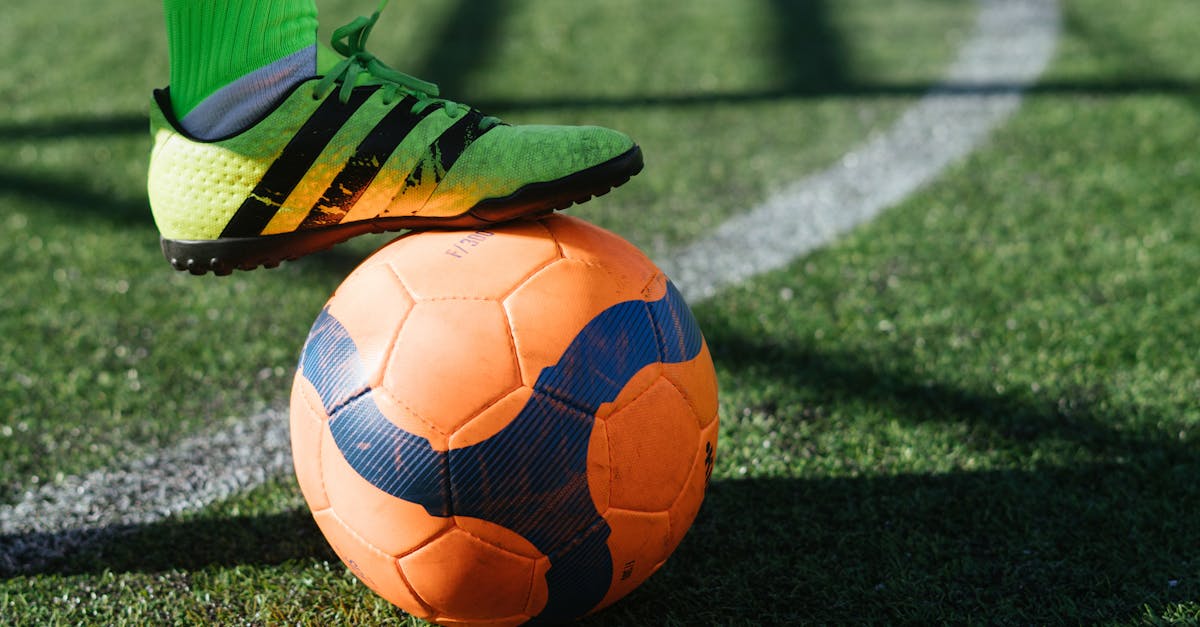

When I first started playing soccer I quickly realized that ball control is the foundation of every great player. Whether I’m dribbling past defenders or receiving a tricky pass keeping the ball close gives me the confidence to make smart moves on the field. It’s not just about flashy tricks—it’s about consistency and precision every time I touch the ball.
If you’re wondering how to improve ball control you’re not alone. I’ve spent countless hours practicing and learning the best techniques to sharpen my skills. With the right approach and a bit of dedication anyone can take their ball control to the next level and truly stand out during games.
Why Ball Control Matters in Soccer
Ball control in soccer determines my ability to keep possession and dictate the pace of play. Ball control skills let me receive passes cleanly under pressure and transition quickly during buildup. Ball control enhances my accuracy in dribbling, allowing me to maneuver through defenders—examples include executing close touches to escape tight marking. Ball control sharpens my decision-making when creating space or setting up teammates. Ball control supports my defensive plays by intercepting poor passes or regaining the ball. Effective ball control in soccer elevates my confidence on the field, helping me avoid unnecessary turnovers and maintain team momentum. Ball control influences every aspect of my performance, from retaining possession to orchestrating effective attacks or holding a defensive line.
Essential Skills for Better Ball Control
Targeted practice on essential skills forms the backbone of how to improve ball control on the field. I focus on refining these areas in my training to gain precision and confidence with every touch.
First Touch
First touch accuracy impacts my ability to improve ball control under pressure. I use different parts of my foot, such as the inside, instep, or sole, to cushion passes and keep the soccer ball close. I practice by receiving short passes at varying speeds, adjusting my body shape to control awkward bounces and spins. I keep my eyes on the incoming soccer ball to anticipate its movement. Quick, controlled touches let me transition smoothly into dribbling or passing. High-level players like Kevin De Bruyne demonstrate first touch mastery in tight spaces by always orienting towards the next pass or move. Consistently working on first touch increases my confidence and effectiveness during matches.
Dribbling Techniques
Dribbling drills help me improve ball control by challenging my comfort in moving with the soccer ball at my feet. I alternate between inside and outside touches to maintain rhythm and unpredictability. I practice with cones, markers, or defenders to simulate match scenarios. Looking up while dribbling allows me to scan options and avoid losing sight of the field. Fast, controlled touches using both feet make changes of direction more effective, helping me beat opponents in 1v1s. I watch professional players like Lionel Messi, who keeps the soccer ball close with constant gentle taps. Regular dribbling exercises quicken my reactions and refine my control even at high speeds.
Shielding the Ball
Shielding the soccer ball increases my chances to improve ball control when opponents try to win possession. I use my body as a barrier, turning sideways to defend the ball with one foot while extending my arm for balance and awareness. I bend my knees for a low center of gravity, giving me strength to resist challenges and protect the soccer ball. Close control with the sole or inside of my foot helps retain possession as I look for support runs. Training against physical defenders enhances my comfort and timing in using the body shield effectively. Good shielding combines awareness, strength, and quick footwork, keeping the soccer ball away from aggressive opponents.
Footwork and Agility
Quick footwork and agility drills directly impact my ability to improve ball control during all phases of the game. I practice ladder runs, side shuffles, and coordinated cone patterns to develop fast feet and sharp movement. Explosive movements let me adjust body position quickly when the soccer ball rebounds strangely or opponents press hard. I include balance work and short sprints to improve my recovery after sudden changes of direction. Efficient footwork supports advanced ball control by helping me get my body behind the soccer ball for cushioned touches. Enhanced agility means I recover control faster, react instantly, and protect possession even against fast defenders.
Materials and Equipment Needed
Selecting proper materials streamlines the process when I work on how to improve ball control. Reliable equipment creates realistic conditions that directly transfer to match play.
Recommended Soccer Balls
Choosing the right soccer ball matters for how to improve ball control. Size 5 balls suit players age 13 and up, matching professional play. Size 4 fits ages 8 to 12, while size 3 applies to under 8s. I use a FIFA Quality Pro certified ball with a synthetic leather cover for consistent touch and bounce. Brands like Adidas and Nike offer durable options for outdoor and indoor training. Carrying at least 2 identical soccer balls accelerates repetitive drills, keeping each touch precise and fluid.
| Ball Size | Age Group | Quality Mark | Surface |
|---|---|---|---|
| Size 5 | 13+ | FIFA Quality Pro | Synthetic |
| Size 4 | 8-12 | IMS/FIFA Basic | Synthetic |
| Size 3 | under 8 | Training | Synthetic |
Appropriate Footwear
Wearing suitable footwear is vital in how to improve ball control. I select firm ground cleats with molded studs for natural grass, supporting rapid direction changes and grip. Choosing turf shoes with rubber soles increases control on artificial surfaces. Lightweight indoor shoes with flat soles prevent slipping and give maximum contact for indoor drills. Materials such as kangaroo leather or micro-texture synthetic uppers provide a soft touch, enhancing how I cushion and manipulate the ball during tight dribbling exercises.
| Surface | Footwear Type | Key Features |
|---|---|---|
| Natural | FG cleats | Molded studs, padded upper |
| Artificial | Turf shoes | Rubber sole, reinforced toe |
| Indoor | Indoor trainers | Flat sole, flexible upper |
Training Cones and Markers
Arranging training cones and markers shapes how to improve ball control by simulating defenders and tight spaces. I use 10-20 flexible discs or small cones (5–9 inches high) to design dribbling lanes, zigzag courses, and first-touch boxes. Bright colors increase visibility during drills on grass or turf. Adding dome markers or weighted bases stabilizes cones in windy conditions. Neutral colors such as white or yellow maintain focus when working through complex footwork sequences, while contrasting colors highlight changes in movement patterns for advanced ball control exercises.
Step-by-Step Drills to Improve Ball Control
I use these step-by-step drills to develop precise soccer ball control and game-ready skills. Consistent execution of targeted ball control drills supports touch, speed, and decision-making in match conditions.
Solo Dribbling Drills
I begin my ball control routine by focusing on solo dribbling drills. I keep the soccer ball close, using small touches with both feet as I move in straight lines and zig-zag patterns. By alternating inside and outside foot touches, I reinforce coordination and maximize ball control with every step. I add toe taps and rollovers to improve sole contact and boost quick adjustment skills. Using targeted keyword ball control, I set a timer for 60 seconds per drill to increase intensity and reinforce muscle memory. I practice on different surfaces to adapt my ball control to varied field conditions.
Partner Passing Drills
I rely on partner passing drills to sharpen my soccer ball control in realistic scenarios. I position myself 10 to 15 yards from my partner and exchange crisp ground passes, targeting each other’s preferred foot for accuracy. I focus on the first touch by stopping the ball smoothly and redirecting under pressure. I introduce one-touch passing and alternating the pace of the pass to upgrade ball control under increasing difficulty. I count successful passes in 1-minute intervals to quantify progress and highlight areas for targeted keyword ball control improvement. I increase challenge by moving laterally and communicating consistently.
Wall Pass and Control Exercises
I leverage any sturdy wall for wall pass and control exercises to build my solo ball control skills. I kick the soccer ball against the wall from various distances, receiving rebounds with inside, outside, and sole of my foot. I vary angles and power, working on controlling awkward bounces and tight returns that simulate real game situations. I track repetitions across 5-minute sets and aim for consistently clean first touches during each repetition. By practicing with a wall, I increase touches per minute and accelerate targeted keyword ball control gains without extra equipment.
Cone Weaving and Obstacle Courses
I arrange agility cones or flat markers in tight rows, spacing them 1 to 2 feet apart to create challenging ball control drills. I dribble the ball in and out of each cone, maintaining a low center of gravity and sharp footwork. I use both feet to weave through the course at increasing speeds, keeping the ball in constant motion for optimal soccer ball control. I include obstacle courses with barriers and timed sprints for game-like pressure. I record completion times and refine my turns to maximize efficiency and reinforce the targeted keyword ball control focus in all directional movements.
Advanced Techniques to Elevate Your Ball Control
Applying advanced soccer ball control techniques increases my ability to outperform opponents and maintain possession in demanding scenarios. Incorporating these methods deepens every aspect of my game.
Close Control Under Pressure
Executing close control under pressure in soccer ball control situations elevates my resilience when surrounded by defenders. I keep the ball within 1–2 feet of my body, using quick, precise touches to reduce the chance of dispossession. I scan the field to anticipate threats and shield the ball by positioning my body between the defender and the ball. When I receive a pass with pressure behind me, I cushion the ball softly and shift my weight to maintain balance. Practicing close control with smaller balls or in tight grid spaces further enhances my reflexes. I use controlled toe taps, inside-outside foot drags, and feints to change direction, making it difficult for markers to anticipate my movements. By emphasizing close control under pressure, I ensure my soccer ball control techniques translate under match conditions.
Using Different Surfaces of the Foot
Utilizing every surface of the foot in soccer ball control drills diversifies my skillset. I practice receiving, dribbling, and passing with the inside, outside, sole, and laces to respond effectively to unpredictable passes or defensive challenges. When I use the inside of my foot, I gain accuracy in short passes and soft first touches. The outside provides agility during lateral dribbles, especially when escaping tight spaces. Dribbling with the sole lets me halt quickly or pivot seamlessly to protect the ball. I make firm touches with my laces when sprinting during fast breaks. I alternate between each surface in close-control patterns, such as inside-to-outside rolls or sole stops into acceleration. Relying on every surface during soccer ball control routines creates adaptability and sharper, game-ready instincts.
Mastering Turns and Spins
Perfecting turns and spins in my soccer ball control arsenal sharpens my offensive unpredictability. I incorporate techniques like the Cruyff turn, drag-back, and inside-outside spin moves into my sequences. To execute these moves, I use my hips and shoulders for deceptive body feints, catching defenders off-guard and creating separation. When I perform a Cruyff turn, I fake a pass before sharply hooking the ball behind my standing leg with the inside foot, pivoting away from pressure. Drag-backs involve rolling the ball backward with the sole then changing direction in one fluid motion. Practicing quick spins with both feet helps me control the ball at different speeds and angles. Including speed variations and ball manipulation cues ensures my turns serve both evasion and progression purposes. Consistently adding advanced turning moves elevates my soccer ball control in high-stakes match play.
Tips for Practicing Effective Ball Control
Staying disciplined with targeted ball control routines transforms touch and confidence on the field. Practicing with intention sharpens key soccer skills for every playing level.
Consistent Practice Schedule
I structure my weekly ball control sessions for measurable improvement. Practicing ball control at least 3 times per week optimizes muscle memory and coordination. Short but high-intensity drills (15–30 minutes each) prevent fatigue and encourage strong repetitions. I allocate specific days for targeted dribbling, first touch, and shielding. Tracking routines with ball control checklists or calendars ensures consistency. If interrupted by weather or schedule issues, I fit in indoor or improvised ball control drills using walls or tight spaces. Over time, such structured repetition noticeably refines control, balance, and touch consistency.
Focus on Weak Foot Development
I dedicate sessions to strengthening my weak foot for complete ball control. Practicing ball control with both feet allows me to receive passes, change direction, and dribble unpredictably under pressure. Drill examples include weak foot passing against a wall, touch-and-turn practice, and weak side cone weaving. By setting aside 10–15 minutes per ball control session for non-dominant foot exercises, I balance skill development across both feet. As a result, I experience more confidence and versatility when reacting to opponents during actual games.
Tracking Progress and Setting Goals
I monitor my ball control progress with clear, incremental objectives. Listing targeted ball control goals—like completing 100 touches per drill without losing possession or improving weak foot accuracy to 8 out of 10 passes—makes performance measurement straightforward. I record results after each session using a training app or journal. Regular reviews and video analysis highlight strengths and pinpoint aspects needing improvement. When I consistently reach small milestones, I raise the benchmark to sustain growth in my ball control skills. Each successful goal motivates me to intensify my commitment for the next session.
Common Mistakes and How to Avoid Them
Common mistakes slow ball control improvement and limit in-game performance. I address frequent issues and ball control solutions to support real progress.
Overcomplicating Touches
Overcomplicating touches disrupts consistent ball control. I notice players often attempt advanced moves—like double step-overs or flicks—instead of prioritizing simple, effective touches. Every extra touch increases the risk of turnovers if defenders apply pressure. I focus on clean, controlled touches with the inside or sole of my foot when receiving passes and moving in tight spaces. Reducing unnecessary flair during drills sharpens foundational ball control skills and maximizes possession retention. For example, practicing one-touch or two-touch passing reinforces discipline, builds decision speed, and boosts my overall ball control performance.
Neglecting Body Positioning
Neglecting body positioning directly weakens ball control during competitive play. I see players lose possession when they face away from the field or fail to protect the ball from opponents. Effective ball control requires positioning my body between the defender and the soccer ball, using my arms for balance and awareness. I angle my hips and shoulders to keep vision of both the ball and potential passing lanes, which provides a wider array of options under pressure. Training with specific shielding drills—like holding off a partner using body strength—refines ball control technique and equips me to withstand real match challenges.
Failing to Scan the Field
Failing to scan the field limits ball control progress and decision-making. When I fixate on the soccer ball, I lose awareness of defenders and passing options, reducing both speed and quality of play. Consistently looking up—before and after controlling the ball—improves my understanding of space and movement. During ball control drills, I intentionally lift my head to check teammate positions and incoming pressure, mimicking match scenarios. Scanning the field enables me to anticipate actions, avoid dangerous turnovers, and link ball control with strategic passing. This continuous habit elevates my ability to use ball control effectively under real-game conditions.
Troubleshooting Ball Control Challenges
Challenges with ball control often disrupt performance during training and match play. I address common obstacles and provide actionable solutions for improving ball control in demanding scenarios.
Slippery or Uneven Surfaces
Slippery or uneven surfaces frequently cause unpredictability in ball control. I use a lower center of gravity and shorter, softer touches to counteract the instability of slick or bumpy fields. Planting my standing foot securely before receiving the ball stabilizes my balance and enables more precise contact. On wet grass or turf, I wear cleats with deeper studs to maximize grip, which improves ball control under challenging field conditions. Practicing ball control drills on various surfaces, such as wet pavement or patchy grass, enhances my adaptability when conditions during real games shift unexpectedly. By maintaining close control, I limit the distance the ball travels, reducing the risk of losing possession on uneven ground. Consistent exposure to different surfaces boosts my confidence and ball control regardless of field quality.
Fatigue and Loss of Concentration
Fatigue and loss of concentration significantly impact improving ball control, especially in the later stages of games or intense training sessions. I incorporate interval training and game-like drills to simulate pressure, training my body and mind to maintain focus and precise touches even when tired. To build endurance, I alternate high-intensity sprints with low-intensity dribbling, reinforcing my ability to control the ball under physical stress. Short breaks and deep breathing refocus my attention, restoring concentration during repetitions. Integrating mindfulness exercises, such as visualizing scenarios where I lose possession, primes me to react calmly under pressure. By conditioning both stamina and mental strength, I sustain sharp ball control and smart decision-making throughout matches.
Improving Control in Competitive Matches
Improving ball control in competitive matches requires adapting techniques developed during practice to high-pressure situations. I scan the field before receiving the ball, allowing faster decision-making and increased awareness of defenders and space. Using simple first touches and body positioning, I shield the ball from opponents and maintain possession. Communication with teammates streamlines passing combinations and reduces risky solo moves, optimizing ball control for team success. When the game tempo rises, I prioritize composure, utilizing practiced moves such as quick direction changes and close dribbling to maneuver through tight spaces. Reviewing match footage post-game provides insight into areas where my ball control succeeded or faltered, helping me target improvements for future competitive scenarios. Consistent application of these strategies enhances my in-game ball control and overall soccer performance.
Additional Resources for Ball Control Improvement
Discovering the right resources accelerates progress with ball control in soccer. I leverage targeted materials and training methods to reinforce my skills outside structured practice.
Online Training Videos
Exploring Online Training Videos for ball control offers immediate access to expert instruction. I use curated YouTube playlists from professional coaches like Coerver Coaching and 7mlc, focusing on specific ball control drills such as wall passes, toe-taps and close-control dribbling. Engaging with interactive platforms like Masterclass and UEFA Training Ground provides breakdowns of advanced moves with slow-motion analysis, perfect for visual learning. Subscribing to paid programs improves feedback accuracy, with services such as Techne Futbol offering personalized progress tracking for each ball control technique. Joining live-streamed sessions or virtual challenges builds motivation through community support. Filtering videos by age and skill level narrows options, ensuring content matches my development stage for impactful improvement.
Recommended Books and Guides
Reviewing Recommended Books and Guides enhances my theoretical understanding of ball control in soccer. I gain insights from titles like “Soccer Skills & Drills” by National Soccer Coaches Association of America, which covers foundational and advanced ball control techniques using diagrams and sequential photos. “Coerver Coaching: The Pyramid of Player Development” details progressive exercises for mastering first touch, dribbling, and shielding. Using eBooks and soccer-specific manuals, I access detailed training plans and troubleshooting sections that target common mistakes. Annotating these guides with personal drills or reflections integrates written knowledge with daily routines, solidifying concepts. Keeping an updated collection ensures my training stays aligned with evolving trends and proven ball control strategies.
Attending Skills Clinics
Enrolling in skills clinics for ball control improvement accelerates my growth through structured feedback and competition. Local soccer clubs frequently host weekend camps and seasonal academies, where certified trainers design ball mastery stations using cones, passing circuits, and tight-space dribbling drills. Joining elite clinics such as Coerver Coaching Clinics or US Youth Soccer Technical Camps offers exposure to high-intensity ball control exercises in group settings. Networking with fellow attendees unlocks peer support and introduces new training partners for collaborative progress. Registering early guarantees placement as spots fill quickly for specialized clinics. Monitoring local club websites and social media keeps me informed about upcoming opportunities to refine my soccer ball control skills.
Conclusion
Ball control has truly transformed the way I play and enjoy soccer. With the right mindset and consistent effort, anyone can unlock a new level of confidence and creativity on the field. Every small improvement adds up, making a real difference in game situations.
I encourage you to stay patient with your progress and embrace every challenge as a learning opportunity. Keep exploring new drills, seek feedback, and never hesitate to try advanced techniques. The journey to mastering ball control is ongoing, but the rewards are absolutely worth it.
Frequently Asked Questions
What is ball control in soccer?
Ball control is a player’s ability to receive, manage, and manipulate the soccer ball efficiently using different parts of their body, especially the feet. It’s crucial for maintaining possession, dribbling, passing, and making effective plays under pressure during games.
Why is ball control important in soccer?
Ball control is essential because it helps players keep possession, dictate the game’s pace, and make accurate passes or dribbles. Good ball control also allows players to evade defenders, make smarter decisions, and avoid turnovers, ultimately boosting a team’s performance.
How can I improve my ball control in soccer?
You can improve ball control by practicing drills that focus on touch, dribbling, first touch accuracy, and shielding the ball. Using cones for footwork, varying your touches, and regularly training both feet are effective ways to develop this skill.
What equipment do I need to practice ball control?
Essential equipment includes a properly-sized soccer ball (size 3, 4, or 5 depending on age), appropriate footwear for your playing surface, and training cones or markers to create practice scenarios that simulate real-game pressure.
Are there specific drills that help with ball control?
Yes. Solo dribbling, partner passing, wall passes, and cone weaving drills all help improve your touch, coordination, and agility with the ball. Each targets different aspects of ball control in realistic settings.
What are some advanced techniques for ball control?
Advanced ball control techniques include using every part of the foot, performing quick turns like the Cruyff turn, shield-dribbling under pressure, and mastering spins or drag-backs to beat defenders in tight spaces.
What common mistakes should I avoid when training ball control?
Avoid overcomplicated touches, neglecting your body positioning, and failing to scan the field for options. Focus on controlled touches, proper body alignment, and always keep your head up to enhance awareness during practices and games.
How can I track my progress in ball control?
Set clear goals, regularly practice with both feet, and record your training sessions to analyze and track improvements. Use structured drills and occasionally review match footage to identify strengths and areas needing work.
What should I do if I struggle with ball control during games?
Adapt your techniques to match conditions—use shorter touches on slippery or uneven fields, keep a low center of gravity, and scan for options under pressure. Building endurance and watching game footage can also highlight areas for improvement.
Where can I find more resources to help my ball control?
Online training videos, curated YouTube playlists, soccer skills books, and local or virtual skills clinics offer expert guidance. These resources provide detailed techniques, step-by-step drills, and feedback to accelerate your progress.


