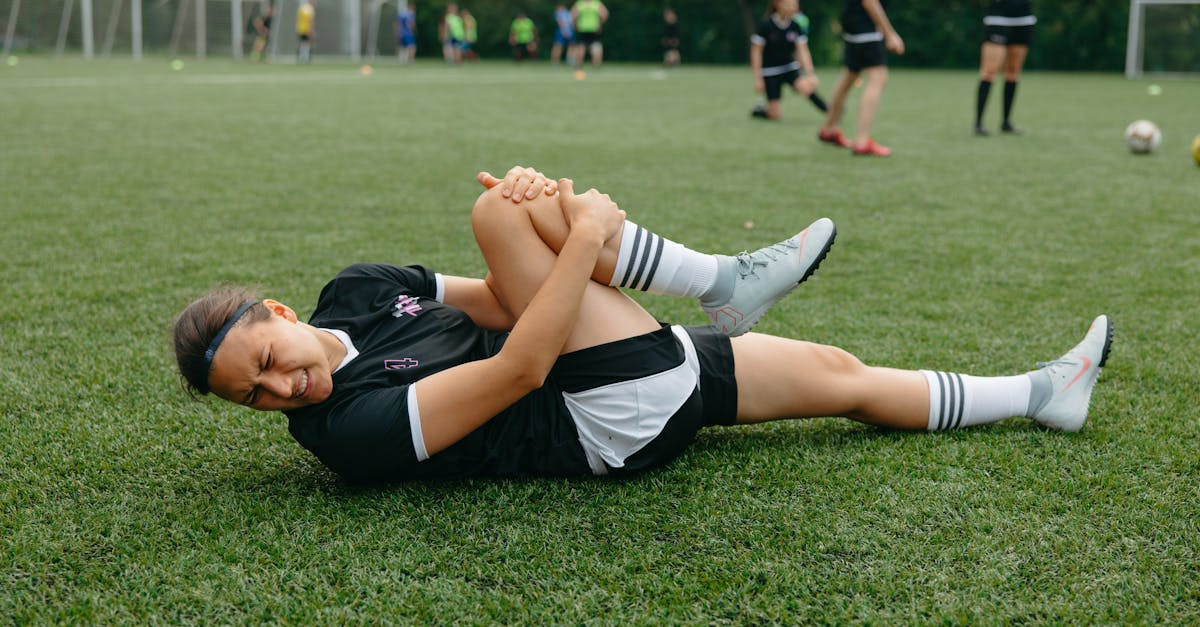

In this article i am going to be explaining how to avoid injury in soccer and how to stay safe while playing your best.
Soccer’s fast pace and constant action make it one of the world’s most exciting sports but staying injury-free can be a real challenge. I know how frustrating it feels to be sidelined just when you want to be out on the field giving your best. That’s why learning how to avoid injury in soccer isn’t just smart it’s essential for every player.
I’ve seen firsthand that a few simple habits can make a huge difference in staying healthy all season long. When you know what to watch out for and how to prepare your body the right way you’ll spend more time playing and less time recovering. Let’s get started the essentials of keeping yourself safe while enjoying the beautiful game.
Understanding Common Soccer Injuries
Soccer injury risk affects players across all ages and skill levels. My focus stays on recognizing patterns so I can avoid injury in soccer with practical precautions.
Most Frequent Types of Injuries
Soccer injury incidents tend to impact the lower limbs the most. I often see sprained ankles, strained hamstrings, and torn knee ligaments—such as ACL injuries—during matches and training. Contusions from kicks or falls and overuse ailments like shin splints and tendinitis also appear regularly. Goalkeeper-specific injuries such as finger sprains highlight the sport’s diverse physical demands. Because muscle injuries—the most common—arise in explosive sprints and sudden stops, I use targeted warm-ups to avoid injury in soccer scenarios that trigger these problems.
Causes of Soccer Injuries
Soccer injury causes link to several factors. Sudden directional changes, uneven pitching, and poor footwear commonly set off joint and ligament problems. I notice fatigue often increasing the chances of muscle pulls late in each half. Physical contact a routine risk can produce bruises and fractures, especially during aggressive tackles. Inadequate warm-ups and improper technique amplify vulnerability, while overtraining without recovery time leads to chronic conditions. For me, avoiding injury in soccer begins with controlled movements, correct gear, and adequate rest according to FIFA’s player health recommendations.
Essential Equipment and Gear
I select essential equipment and gear to avoid injury in soccer by focusing on protection, comfort, and field conditions. Proper soccer gear helps minimize risks and supports safe play during every match.
Proper Footwear
I wear proper footwear to avoid injury in soccer across different field surfaces. Cleats designed for firm ground prevent slipping and promote ankle stability when I play on natural grass. Turf shoes reduce joint stress and improve traction on artificial turf fields, avoiding unnecessary falls. I always check that my shoes fit snugly, with 1–1.5 centimeters of space at the toe, because ill-fitting shoes cause blisters and foot injuries. Sturdy shoes with reinforced heel counters support my ankles, especially during quick pivots and sprints. When selecting soccer shoes, I match the type to the playing surface to reduce the risk of common injuries like ankle sprains and stress fractures, according to research from the American Academy of Pediatrics.
Protective Gear
I use protective gear to avoid injury in soccer by safeguarding vulnerable areas of my body. Shin guards, required in every match, shield my shins from direct contact and help prevent bruises and fractures. Padded goalkeeper gloves protect my fingers and wrists from impact injuries during saves. I wear ankle guards in high-contact situations for additional support if I have a history of sprains. Mouthguards absorb shocks and reduce oral injuries when collisions occur. Headbands made for soccer minimize superficial cuts if I play in leagues that allow heading, based on guidance from the CDC. I choose gear meeting the standards set by organizations like FIFA to ensure high-quality protection each game.
Clothing Considerations
I choose the right clothing to avoid injury in soccer by managing body temperature and preventing chafing. Moisture-wicking jerseys and shorts keep sweat away from my skin and reduce skin irritation during long games. Compression garments stabilize thigh and calf muscles, lowering muscle fatigue and supporting recovery, as supported by data from the Journal of Sports Science. I avoid loose clothing because it can snag and increase trip risks if I play on busy fields. During cold-weather games, I layer with thermal base layers to keep muscles warm, reducing cramps and soft tissue injuries. I pick socks with padding at the heel and toe to prevent blisters and enhance comfort during every practice and match.
Warm-Up and Stretching
Integrating a soccer warm-up and stretching routine reduces the likelihood of muscle strains and joint injuries. Consistently applying these techniques raises core body temperature and prepares essential muscle groups for play.
Dynamic Warm-Up Routines
Activating muscle groups is central to an effective soccer warm-up for injury prevention. I engage in dynamic movements to mimic match conditions, using high knees, butt kicks, and lunges to increase heart rate and blood flow. Dynamic soccer-specific drills such as lateral shuffles and short sprints boost flexibility and activate stabilizing muscles around the ankles and knees. These purposeful motions enhance coordination and reaction time, lowering the risk of sudden strains. I always include arm circles and hip rotations, targeting joints that absorb repetitive impact during soccer. Emphasizing progressive intensity, I transition from walking to light jogging, which primes the entire body for the demands of soccer without causing fatigue early in the session.
Effective Stretching Techniques
Increasing flexibility with targeted stretches remains fundamental for soccer injury prevention. I prioritize active stretches over static ones before games, focusing on the quadriceps, hamstrings, calves, and hip flexors that drive most of my soccer motions. Leg swings, walking lunges with a twist, and dynamic hamstring scoops keep my muscle fibers elongated and responsive, reducing the chance of tears from sudden direction changes. When the match finishes, I incorporate static stretching by maintaining positions like a seated hamstring hold and calf stretch for 20 to 30 seconds per side. This approach promotes better muscle recovery and joint mobility, which aligns with best practices recommended by the American College of Sports Medicine.
Cool Down Practices
Returning my heart rate to baseline with a soccer cool-down sequence mitigates delayed onset muscle soreness and joint stiffness. I walk or lightly jog for 5 minutes after each session, ensuring gradual reduction in effort for cardiovascular safety. Targeting lower body muscles, I complete slow static stretches on my hip flexors, quadriceps, and adductors to assist waste removal and muscle repair. Dedicated movements such as deep lunges or supine figure-four holds focus on regions vulnerable to overuse injuries in soccer players. Hydrating and performing controlled breathing exercises after my stretch supports full systemic recovery, directly supporting ongoing injury prevention in future training or matches.
Building Strength and Flexibility
Building strength and flexibility directly reduces the risk of soccer injuries and supports peak performance throughout an intense season. I focus on developing both attributes through targeted routines tailored for soccer players.
Strength Training for Soccer Players
Emphasizing strength training in soccer helps avoid injury by stabilizing joints and increasing muscle resilience during dynamic movements. I integrate compound exercises, such as squats, lunges, and deadlifts, to enhance lower body power, which is critical for sprints and tackles. Core routines, including planks and rotational twists, build stability for balance and quick direction changes. I add unilateral work—single-leg squats and step-ups—to correct muscular imbalances that often contribute to soccer injuries, especially in knees and ankles. Including strength bands and plyometric drills like box jumps further simulates the explosive plays found in matches. By consistently following a balanced strength program 2-3 times weekly, I maximize protection against common soccer injuries and boost my athletic performance.
Flexibility and Mobility Drills
Prioritizing flexibility and mobility drills keeps me agile and extends my range of motion for swift in-game movements. I favor dynamic stretches, such as leg swings, walking lunges, and high knees, to loosen hips, hamstrings, and groin muscles before practice. Mobility-focused routines—hip openers, calf raises, and ankle circles—maintain joint health, allowing for sharper cuts and safer landings during matches. Post-training, I perform static stretches for quads, calves, and lower back, holding each for at least 30 seconds. Foam rolling targets tight spots and supports muscle recovery, reducing delayed onset muscle soreness. Using targeted flexibility work before and after games, I minimize injury risks while improving my functional soccer capabilities.
Practicing Good Technique
Practicing good technique in soccer directly reduces injury risk and improves on-field performance. I focus on injury prevention throughout every movement and skill to ensure consistent safety.
Safe Tackling and Ball Handling
Safe tackling and ball handling in soccer lower the chance of avoidable injuries. I always plant my non-kicking foot firmly before challenging for the ball, keeping my knees slightly bent for balance. I rely on side-on body angles to distribute force instead of going head-on—this keeps ankles and knees stable. Controlled slide tackles aim for the ball first, never the opponent’s legs, to avoid fouls and potential harm. When handling the ball, I use both feet for dribbling and always cushion passes with the inside part of my foot to absorb impact and protect joints. Practicing good technique during first touch and ball shielding lets me maintain control and avoid awkward twists. Injury prevention in soccer remains at the forefront of each tactical move I make on the pitch.
Body Positioning and Awareness
Body positioning and awareness in soccer help prevent collisions and unnecessary strains. I always stay on the balls of my feet, allowing quick changes in direction while keeping my hips and shoulders aligned toward the play. I scan my surroundings regularly to anticipate movement and avoid unexpected contact. Good technique in marking assignments ensures my knees are slightly flexed, lowering my center of gravity for increased balance and joint safety. Injury prevention in soccer also means I keep a low stance when turning, using short agile steps and engaging my core muscles for extra stability. Knowing where other players are on the field allows me to sidestep hazards and sustain consistent movement without overextending my joints.
Hydration and Nutrition
Proper hydration and nutrition create a foundation for avoiding injury in soccer by supporting recovery, energy levels, and muscle health. I focus on key strategies tailored for soccer players to maximize time on the field and minimize setbacks.
Importance of Staying Hydrated
Hydration prevents muscle cramps and reduces the risk of heat-related injuries in soccer matches and training sessions. I drink 7 to 10 ounces of water every 10 to 20 minutes during intense play, following recommendations from the National Athletic Trainers’ Association. Monitoring urine color gives me a visual cue for hydration level, targeting pale yellow for optimal performance. I replace lost electrolytes with sports drinks if I play over 60 minutes or in hot weather, focusing on sodium and potassium content. Dehydration increases the risk of fatigue and strains, so I set a schedule for fluid intake, especially before high-intensity drills or tournaments, to avoid injury in soccer.
Nutrition Tips for Injury Prevention
Balanced nutrition supports injury prevention in soccer by fueling muscles and aiding post-match recovery. I consume lean proteins such as chicken or tofu, complex carbohydrates like brown rice or quinoa, and healthy fats including avocados. I prioritize foods high in antioxidants, such as berries and leafy greens, to minimize exercise-induced inflammation. Calcium and vitamin D from sources like dairy or fortified plant milk strengthen bones and reduce fracture risks. Timing meals 2 to 3 hours before games or training ensures sustained energy, with post-practice snacks including protein to repair muscle fibers. I restrict processed foods and sugary snacks that compromise performance and recovery, maintaining consistent nutrition habits to avoid injury in soccer.
Managing Training Load and Rest
Managing training load and rest forms a critical component of how to avoid injury in soccer. Optimizing this balance enables me to stay consistent on the pitch and minimize excessive fatigue.
Balancing Training Intensity
Monitoring training intensity contributes directly to how to avoid injury in soccer. I track my exertion using methods like the Rate of Perceived Exertion scale or wearable heart rate monitors to avoid pushing into risk zones. For example, I alternate high-intensity interval sessions with light technical drills or tactical work. Maintaining a structured weekly plan, I rotate between hard and active recovery days to distribute physical stress evenly. I notice that ignoring rest days or stacking intense workouts increases my likelihood of muscle strains or joint pain. I also tailor my training based on match frequency and individual recovery rate. By consistently adjusting intensity to match my readiness and competition schedule, I strengthen my commitment to injury prevention in every session.
Importance of Recovery and Sleep
Prioritizing recovery strategies and sleep is a cornerstone of how to avoid injury in soccer. After demanding practices or matches, I adopt active recovery with stretching, low-impact cardio, and hydration to accelerate muscle repair. I invest at least 8 hours each night toward restorative sleep, as research shows that less than 7 hours correlates with a higher soccer injury risk (Mah et al., 2014, Sleep journal). I integrate rest days and restorative activities such as foam rolling or mobility work to reduce inflammation and prevent chronic overuse injuries. Tracking my sleep quality alongside training data lets me modify my routine for optimal health. By consistently valuing recovery and sleep, I uphold a sustainable training approach and reduce the risk of sidelining setbacks.
Listening to Your Body
Listening to my body is a cornerstone of avoiding injury in soccer. By consistently monitoring my physical condition, I effectively lower my risk of severe setbacks and ensure continuous performance on the field.
Recognizing Early Signs of Injury
Recognizing early signs of injury in soccer allows me to address small problems before they escalate. I pay attention to persistent aches, joint stiffness, swelling, sharp muscle pain, and reduced mobility after matches or training. Numbness or tingling sensations often indicate nerve involvement, especially following intense play or tackles. Swelling and redness around joints signal inflammatory responses, requiring active soccer injury prevention. I note fatigue that lingers despite rest, as it may point to overtraining or minor strains. By acting on these warning signs, I intervene early and support tissue recovery, minimizing downtime and preventing more serious soccer injuries.
When to Rest or Seek Medical Help
Knowing when to rest or seek medical help is essential for effective soccer injury prevention. I stop playing and rest immediately if sharp pain, joint instability, or sudden swelling occurs during training or matches. Ignoring severe discomfort for more than 2–3 days increases the risk of chronic injury. I consult a healthcare provider if symptoms like persistent bruising, inability to bear weight, or limited range of motion develop after soccer activities. A medical assessment ensures proper recovery timelines and targeted treatment plans for soccer-specific injuries. Respecting these limits enables full recovery and helps avoid recurring problems, keeping me active and strong for future games.
Tips for a Safe Playing Environment
I prioritize a safe playing environment to avoid injury in soccer, focusing on how surroundings and instruction impact safety. These strategies support consistent injury prevention during training and matches.
Field and Weather Conditions
I examine the field surface every session to avoid injury in soccer, inspecting for debris, holes, or uneven spots before starting drills or games. Wet conditions increase slip risk, so I modify my footwear to provide proper traction on slick grass or turf. Excess heat or cold requires adjusting activity levels and ensuring hydration or layering clothing as needed for injury prevention. I postpone intense activity if lightning or extreme weather approaches, prioritizing player safety over game schedules. Marker cones and visible boundaries create clear playing areas, minimizing accidental collisions or falls. I use these steps each time I play, especially in tournaments and unfamiliar locations, to maintain safety standards and foster a secure soccer environment.
Appropriate Supervision and Coaching
I rely on certified coaches to avoid injury in soccer, seeking out those with up-to-date first aid and safety credentials. Effective supervision includes monitoring proper technique during drills—like heading, tackling, or sprinting—to instantly correct unsafe actions or poor form. Coaches conduct regular safety briefings before games, reviewing potential injury situations like player collisions or unsportsmanlike conduct. I ensure supervised sessions include prompt first aid responses and access to emergency support. Group sizes remain appropriate for hands-on attention in youth settings, reducing the likelihood of accidents from overcrowded drills. I value mentors who encourage open feedback, ensuring injuries and hazards get addressed immediately for optimal soccer safety.
Common Mistakes and How to Avoid Them
Identifying common mistakes in soccer injury prevention helps maintain consistent performance and safety. I reinforce key soccer injury prevention strategies by focusing on the most frequent errors and their solutions.
Overtraining Risks
Ignoring overtraining risks in soccer often leads to fatigue and injury. I notice that repetitive high-intensity sessions without structured rest weaken muscle fibers and elevate stress injury rates, as supported by a study from the British Journal of Sports Medicine (2017). Monitoring workload enables soccer injury prevention, especially when alternating hard drills, speed training, and recovery days. Scheduling at least 1–2 full rest days per week prevents the cumulative effect of strain injuries, such as hamstring pulls or shin splints. I log training volumes and maintain open communication with coaching staff to address early warning signs like lingering soreness or reduced performance. Emphasizing these soccer injury prevention tactics ensures my body adapts without exceeding safe limits.
Neglecting Warm-Ups or Cool Downs
Skipping warm-ups or neglecting cool-down routines significantly increases the risk of soccer injury. Dynamic warm-ups enhance blood flow and prepare muscles for explosive movements, which aligns with best practices in soccer injury prevention. I use routines like jogging, high knees, and dynamic lunges for 10–15 minutes before play to reduce the chance of muscle strains. After matches, I dedicate 10 minutes to static stretches and controlled breathing to flush out lactic acid and restore flexibility. Omitting either stage restricts performance gains and raises injury risks. Consistent warm-up and cool-down habits reinforce my broader commitment to effective soccer injury prevention by keeping my muscles resilient and recovery efficient.
Troubleshooting and Common Issues
Soccer injury prevention sometimes meets obstacles, especially after setbacks or missed warning signs. I resolve these common issues with targeted strategies for safe play and recovery.
What to Do If You Get Injured
Soccer injury management begins with immediate action. I stop playing when I notice sharp pain, swelling, or instability in an ankle, knee, or muscular region. I rest the affected area and apply ice for 20-minute increments every 2-3 hours for the first 48 hours. I protect the injured limb with compression and keep the site elevated above heart level whenever possible.
I avoid heat, alcohol, and intense activities during initial recovery to prevent exacerbation. I consult a sports medicine provider if there is persistent bruising, severe pain, or difficulty moving the joint. Soccer injury prevention improves when I act quickly and follow professional guidance for any suspected soft tissue or ligament injury.
Returning Safely After an Injury
Soccer players maximize long-term injury prevention by following a gradual return-to-play protocol. I consult my physical therapist or doctor for a functional assessment before joining team activities. I reintroduce soccer-specific drills—such as dribbling, controlled passing, and short sprints—with low intensity, steadily increasing duration and intensity as mobility and strength improve.
I track discomfort during sessions, stopping immediately if swelling or weakness returns. I incorporate dynamic warm-ups, stability work, and stretching into every session to reinforce recovered structures. I communicate progress and setbacks regularly with my care team. By prioritizing structured rehabilitation, I reduce setbacks and ensure effective soccer injury prevention for subsequent matches.
Conclusion
Staying injury-free in soccer isn’t just about luck—it’s about making smart choices every time I step onto the field. When I commit to these habits and pay attention to my body, I give myself the best shot at enjoying the game I love for years to come.
Soccer will always have its risks but with the right mindset and preparation, I can play harder, recover faster, and keep chasing that next big win.
Frequently Asked Questions
What are the most common soccer injuries?
Common soccer injuries include sprained ankles, strained hamstrings, torn knee ligaments, and overuse injuries like shin splints. Most of these injuries affect the lower limbs due to sudden changes in direction, running, and physical contact.
How can I prevent injuries while playing soccer?
Injury prevention starts with proper warm-ups, using the right footwear and protective gear, practicing good technique, managing training loads, and allowing for adequate rest and recovery. Listening to your body and addressing early signs of discomfort also play a key role.
What equipment is essential for injury prevention in soccer?
Essential equipment includes properly fitted soccer cleats or turf shoes, shin guards, padded gloves for goalkeepers, ankle guards, and mouthguards. Wearing appropriate moisture-wicking and compression clothing can also help prevent chafing and regulate temperature.
Why are warm-ups and cool-downs important in soccer?
Warm-ups prepare your muscles and joints for intense activity, helping prevent strains and injuries. Cool-downs aid in muscle recovery, reduce soreness, and maintain flexibility, ensuring your body is ready for the next game or practice.
What role does strength training play in injury prevention?
Strength training builds muscle stability, improves balance, and corrects imbalances—all of which lower your risk of injuries. Exercises like squats, lunges, core work, and single-leg drills are particularly effective for soccer players.
How can hydration and nutrition reduce the risk of injuries?
Staying hydrated prevents muscle cramps and heat-related injuries. A balanced diet rich in lean proteins, complex carbs, and antioxidants supports muscle health and speeds up recovery, reducing your overall risk of injury.
What are the signs I should stop playing and seek medical attention?
Stop playing if you experience sharp pain, swelling, joint instability, or persistent discomfort. If symptoms last longer than a few days, or your condition worsens, consult a healthcare professional to prevent further damage.
How important is rest and recovery in soccer training?
Rest and recovery are critical for repairing tissues, reducing fatigue, and preventing overuse injuries. Structured training plans should include rest days and adequate sleep to allow your body to heal and perform optimally.
What should I do immediately after an injury occurs?
Apply the R.I.C.E. method: Rest, Ice, Compression, and Elevation. Avoid heat and alcohol during the first 24-48 hours. If pain or swelling persists, see a sports medicine provider for further evaluation and treatment.
How do I safely return to play after an injury?
Follow your provider’s guidance, participate in progressive rehab, and ensure you pass functional assessments before returning. Gradually increase activity level and focus on strength, flexibility, and sport-specific drills to regain full performance safely.


