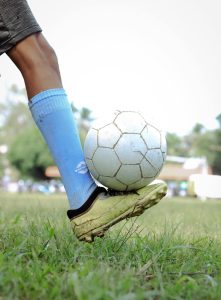
When I step onto the soccer field I know that quick decisions can make all the difference. Whether I’m facing a fast break or trying to intercept a pass my reaction time often decides the outcome. That’s why I always look for ways to sharpen my reflexes and stay one step ahead of the competition.
Reaction time drills for soccer aren’t just about speed they’re about training my mind and body to work together under pressure. These drills help me anticipate plays react to sudden changes and keep up with the fast pace of the game. If you’re looking to boost your performance and outsmart your opponents focusing on reaction time is a game-changer.
Understanding Reaction Time in Soccer
Reaction time in soccer affects every aspect of play, from intercepting balls to executing fast tactical decisions. Reaction time drills for soccer shape both mental processing and physical movements during high-pressure scenarios.
Why Reaction Time Matters for Soccer Players
Reaction time matters in soccer because every play hinges on quick responses to unpredictable events. Fast reaction times allow soccer players to intercept passes before opponents can advance such as cutting off through balls or challenging attackers inside the penalty box. Rapid responses increase the chance of making precise tackles and repositioning after turnovers. During set pieces, split-second decisions define marking effectiveness and scoring opportunities. Consistently practicing reaction time drills for soccer creates competitive advantages in real matches, especially when milliseconds can decide whether a team defends or concedes a goal.
Key Benefits of Improving Reaction Time
Faster execution of skills, with reaction time drills for soccer enabling immediate control and accurate passes under defensive pressure.
Increased anticipation as soccer players practicing regularly develop sharper vision for opponent movement and tactical shifts.
Quicker recovery following mistakes because routine drills improve body and mind coordination.
Reduced vulnerability to surprise plays, for example, sudden through balls or pressing traps.
Heightened confidence on-field as players who master reaction time drills for soccer make reliable, calculated decisions even during chaotic situations.
Each benefit strengthens both individual and collective soccer performance.
Materials and Equipment Needed
For effective reaction time drills for soccer, I use specific gear that focuses on reflex precision and real-game intensity. Selecting the right materials ensures that I simulate match conditions and track measurable progress.
Basic Equipment
I rely on a few essential items when practicing reaction time drills for soccer.
- Soccer balls: I include size 5 match-quality balls for passing, shooting, and interception exercises.
- Cones: I use brightly colored cones for marking agility zones and reaction stations.
- Whistle: I integrate a loud whistle to signal start and stop cues in split-second response games.
- Training bibs: I add colored bibs for quick team identification and visual stimulus drills.
- Stopwatch: I employ a digital stopwatch to monitor improvements in reaction time down to tenths of a second.
Using these core materials aligns my reaction time training sessions with the demands of soccer performance.
Optional Tools for Advanced Drills
When targeting greater improvement in reaction time drills for soccer, I incorporate advanced equipment.
- Reaction lights: I deploy programmable LED lights to initiate unpredictable movement sequences.
- Agility ladders: I place multi-pattern agility ladders for rapid footwork changes and precision timing.
- Speed parachutes: I attach resistance parachutes to simulate match-level accelerations during sprints.
- Reflex balls: I introduce hexagonal or uneven reflex balls that bounce unpredictably for enhanced hand-eye coordination.
- Balance boards: I leverage balance platforms for maintaining stability during reactive drills.
With these optional tools, I maximize cognitive and physical adaptations in every soccer reaction time drill.
Preparation Before Starting Drills
Preparation before starting reaction time drills for soccer maximizes results and safety. Focusing on dynamic readiness and practical precautions leads to optimal training benefits.
Warm-Up Exercises
Dynamic warm-up exercises before reaction time drills for soccer activate muscle groups and improve neuromuscular efficiency. Arm circles, high knees, and lateral shuffles increase blood flow and elevate core temperature. Light jogging for 3 minutes and dynamic stretching help prepare joints for rapid movements. Short sprints of 15 yards and fast feet ladder work target specific soccer-related reactions. Functional movements that mimic drill actions help reduce the risk of strains. Completing these exercises directly before each reaction time drill for soccer ensures agility, reactivity, and coordination are maximized for high-performance training.
Safety Tips and Best Practices
Safety tips and best practices during reaction time drills for soccer help maintain player health and session productivity. Checking field surfaces for debris and dry patches minimizes injury risks before starting drills. Wearing molded cleats and shin guards provides support and protection during explosive movements. Hydration breaks every 20 minutes prevent fatigue-related slowdowns and lapses in reaction speed. Using clear whistle cues and outlined boundaries avoids confusion and contact errors. Limiting advanced drills like reaction lights or balance boards to experienced players ensures progressive development and reduces overload. Following these practices guarantees that every reaction time drill for soccer supports both safety and accelerated skill improvement.
Essential Reaction Time Drills for Soccer
I incorporate soccer reaction time drills in every training session to sharpen responses and boost situational awareness. Fast-paced partner-based exercises accelerate neural adaptation and optimize on-field reactions during unpredictable plays.
Partner-Based Drills
I use partner-based soccer reaction time drills to simulate match scenarios requiring quick decisions and movements.
- Hand Signal Start Sprints: I react instantly to my partner’s specific hand gesture, sprinting toward a target cone. This drill increases my visual cue response and positional readiness.
- Pass and Move Challenge: My partner passes a soccer ball at unpredictable intervals and angles. I respond by receiving, controlling under pressure, then passing back with accuracy. This soccer reaction time drill enhances my first-touch speed and passing under stress.
- Shadow Tag: I mirror my partner’s lateral movements as closely and quickly as possible. This high-intensity soccer reaction time drill improves my ability to anticipate and counter rapid opponent direction changes.
I consistently integrate these soccer reaction time drills to foster sharper reflexes, greater anticipation, and faster decision-making ability on the field.
Solo Drills
Solo reaction time drills for soccer develop sharp reflexes and mental speed without a training partner. I use these soccer reaction time drills to enhance both decision-making and physical agility in match-like situations.
Wall Rebound Drill
Wall rebound drills for soccer reaction time use a ball and a solid wall. I start by standing 8 feet from the wall. I kick the ball at varying speeds and angles, focusing on correcting my body position for each return. Fast reflexes and quick touches optimize my control as an unpredictable bounce improves my adaptation during real matches.
After each kick, I aim for a one-touch return. Using both left foot and right foot increases bilateral coordinationa vital soccer skill. Drilling for 3 sets of 30 seconds each and tracking successful first touches with a stopwatch intensifies the challenge. Training this drill 3 days per week measures progression and directly translates to better ball interception and close control under pressure.
Light Reaction Drill
Light reaction drills for soccer reaction time require programmable LED lights or a reaction training app. I place four lights in a 2-yard square. At the light signal, I sprint or shuffle quickly to tap the correct light as it flashes.
Rapid responses to unexpected cues push cognitive and physical speed. I increase random color or pattern changes for advanced practice. Measuring completed taps in 45-second intervals quantifies results. When training without electronics, I substitute a flashlight or phone screen flash as the visual trigger.
Consistent use of soccer reaction time drills like light-based sequences reinforces explosive first steps, quick directional changes, and mental anticipation. Each repetition simulates reacting under real-game pressure, developing faster decision cycles and heightened in-play awareness.
Small Group Drills
Small group reaction time drills for soccer train rapid decision-making in realistic game environments. I shape players’ cognitive and physical responses to unpredictable soccer scenarios by using these targeted activities.
Color Cone Reaction Drill
Color cone reaction drills for soccer combine visual cue recognition with explosive movement patterns. I organize four to six players in a central line facing a semicircle of different colored cones. On my command or with a whistle blast accompanied by an announced color (for example, “Red!”), each player sprints, shuffles, or backpedals to touch the matching cone, then races back to the starting position. By rotating color calls in unpredictable sequences, I reinforce rapid reaction and unplanned directional changes. I use a stopwatch to measure individual response times, adding competitive intensity and measurable improvement. For added complexity, I integrate soccer balls, requiring players to dribble to the cone or execute a controlled pass after reaching it. This soccer reaction time drill builds split-second decision-making and helps players mirror the quick transitions seen during high-pressure match moments.
Numbered Pass Drill
Numbered pass drills for soccer link auditory processing, quick reactions, and accurate passing under pressure. I assign each player in a small group (three to six participants) a unique number, arranging them in a circle around a single soccer ball. One player stands as the passer in the circle’s center, listening for a coach’s call or whistle that signals an announced number (for example, “Three!”). On hearing their number, the outfield player reacts instantly to receive and return a pass using one or two touches. The passer rapidly shifts attention and positioning with each cue, fostering agility and anticipating unpredictable play. When I increase the tempo of number calls, group members face more frequent, unexpected ball exchanges, sharpening group response times. By tracking accuracy and pass speeds, I highlight progress in both technical ability and applied reaction time crucial for dynamic team play.
Advanced Reaction Time Training Techniques
High-level reaction time drills for soccer drive elite performance during high-pressure matches. I use these advanced methods to sharpen my cognitive processing and physical reflexes while integrating match-specific demands.
Incorporating Agility Ladders
Integrating agility ladders into reaction time drills for soccer accelerates footwork, decision-making, and body control. I sequence ladder patterns with unpredictable cues to require instant directional shifts and cognitive adjustments. For example, my coach shouts a random color or number, prompting an immediate adjustment to a new foot pattern or sprint direction. I perform sequences such as “in-in-out-out” followed by lateral shuffles or crossovers whenever a visual or auditory stimulus is presented. Quick accelerations and abrupt halts during these soccer reaction time drills simulate real match tempo and pressure, increasing my readiness for rapid transitions and unexpected play shifts.
Using Reaction Lights or Apps
Utilizing reaction lights or mobile apps elevates my reaction time drills for soccer by providing random, variable visual and auditory cues. I position lights at different heights or angles around my training area to trigger immediate responses. When a blue LED flashes, I sprint forward; when a red cue appears, I backpedal as fast as possible. Some mobile apps offer customizable reaction time challenges, recording milliseconds between stimulus and response. I frequently combine light-based triggers with movement tasks such as quick touches, controlled ball changes, or lateral dodges. These soccer reaction time drills heighten my neural responsiveness and sensory-motor integration, granting me a measurable edge during competitive play.
Simulated Game Situations
Creating simulated game situations within reaction time drills for soccer helps me replicate high-stress and fast-paced scenarios. I participate in small-sided games with rules that restrict ball touches, alter passing lanes, or introduce surprise obstacles. For instance, my training group deploys “press and escape” games, adding unexpected defender pressure after random time intervals. We also insert command-based transitions such as “coach shouts ‘switch’,” prompting instant field repositioning or tactical changes. These soccer reaction time drills immerse me in unpredictable sequences mirroring true match intensity, improving my ability to anticipate, react, and adapt under constantly evolving conditions.
Tips for Maximizing Improvement
Sharpening reflexes through reaction time drills for soccer depends on consistent practice, accurate performance tracking, and structured recovery. These strategies reinforce gains and sustain long-term development.
Consistency and Progression
Maintaining consistency in reaction time drills for soccer strengthens skill acquisition and neural adaptation. I schedule brief, focused sessions 3–4 days weekly, rotating between solo, partner, and group drills like Wall Rebound and Color Cone Reaction. Increasing complexity every 2 weeks by introducing randomized cues, integrating agility ladders, or reducing rest periods keeps reaction demands high. Sequencing easier drills before advanced variations maximizes response improvements with gradual overload. Using a varied routine sustains motivation and challenges my cognitive and physical limits. Over several weeks, consistent exposure to diverse stimulus-response patterns fosters measurable progress and on-field transfer.
Tracking Your Performance
Utilizing performance metrics during reaction time drills for soccer identifies strengths and areas for growth. I record times with a digital stopwatch for tests like “Hand Signal Start Sprints” and document accurate passes in drills such as “Numbered Pass Drill.” Creating a simple tracking table enables me to monitor drill-specific reaction times, error counts, completion rates, and fatigue indicators:
| Drill Name | Reaction Time (sec) | Passes Completed | Errors Per Set | Fatigue (Y/N) |
|---|---|---|---|---|
| Hand Signal Start Sprints | 0.42 | N/A | 0 | N |
| Numbered Pass Drill | 0.55 | 19 | 1 | Y |
| Wall Rebound Drill | 0.48 | 21 | 0 | N |
Regularly updating this data after each session sharpens my focus on specific skills and supports evidence-based adjustments to challenge levels or rest intervals.
Rest and Recovery
Prioritizing rest and recovery in reaction time drills for soccer maintains optimal neurological and muscular response rates. I schedule full rest days or low-intensity active recovery between intense sessions to support muscle repair and cognitive reset. Applying static stretching, mobility work, and light aerobic activity immediately after sessions reduces soreness and maintains flexibility. Monitoring sleep quality and ensuring 7–9 hours nightly boosts my reaction speed and alertness. Pausing or halting drills if I feel excessive fatigue, soreness, or declining performance protects against overuse and maintains consistent gains in reaction ability.
Troubleshooting and Common Issues
Reaction time drills for soccer introduce new challenges and obstacles that can affect training results. Addressing typical errors and setbacks increases drill effectiveness and player development.
Overtraining or Lack of Progress
Overtraining during reaction time drills for soccer often reduces overall performance and delays recovery. Consistent heavy loads may cause fatigue, slower reflexes, and increased risk of injury, especially if I do not schedule rest days between sessions. Lack of progress in reaction time drills typically stems from unchanged routines or insufficient challenge. If I notice no measurable improvement in sprinting, ball recovery, or split-second decisions after 4 to 6 weeks, revising my training plan becomes essential. Rotating drills, adjusting intensity, and integrating new cognitive or physical elements into each session revitalize neuromuscular response. Tracking data such as stopwatch times or pass completion rates highlights both plateaus and incremental gains in reaction time.
Incorrect Technique
Incorrect technique in reaction time drills for soccer frequently limits improvements and raises injury risk. Poor posture during agility ladder footwork or failure to correctly interpret visual cues from color cones often lead to inefficient movement. I monitor form by recording drills or having a qualified coach assess body alignment, starting stance, and reaction trigger execution for each session. Attention to detail in critical aspects—such as keeping knees flexed, core engaged, and eyes forward—ensures every drill maximizes neuromuscular gains. Learning from high-level references like FIFA technical videos or professional player tutorials clarifies correct execution. Honest self-assessment after each session stabilizes skill acquisition and minimizes repeated mistakes.
Staying Motivated
Staying motivated in reaction time drills for soccer sometimes proves difficult, especially when early progress slows or drills become repetitive. Setting specific, achievable goals for reaction-based movements, such as reducing ball-to-pass response times by 0.1 seconds, reinforces engagement. Varying drill formats—rotating between partner, solo, and group reaction time drills reduces monotony while challenging different reflex components. Visualizing real match outcomes tied to improved reaction time, like executing faster interceptions or creating breakaway scoring opportunities, connects each session to competitive performance. Sharing milestones with teammates or tracking improvements on a digital dashboard sustains intrinsic drive throughout the season.
Frequently Asked Questions
What is the most effective reaction time drill for soccer?
Partner-based drills such as Hand Signal Start Sprints and Pass and Move Challenge provide rapid stimulus and unpredictability, maximizing reaction time gains and situational awareness for soccer training.
How often can I do reaction time drills for soccer without overtraining?
Drilling 3–4 sessions per week with rest days between each boosts reaction time for soccer and prevents fatigue or reduced performance from overtraining.
What equipment is necessary for soccer reaction time drills?
Essential gear includes soccer balls, brightly colored cones, a whistle, training bibs, and a stopwatch; advanced reaction time drills for soccer benefit from agility ladders, LED reaction lights, and balance boards.
Can solo reaction time drills improve on-field soccer performance?
Solo drills such as Wall Rebound and Light Reaction Drills directly improve first-step explosiveness and decision-making, elevating reaction time for soccer even without a partner or group.
How do I track progress in soccer reaction time drills?
Logging times, recording drill completion rates, and using digital performance apps objectively show gains in reaction time for soccer and guide targeted improvements.
Conclusion
I’ve seen firsthand how dedicated reaction time training can transform a player’s confidence and impact on the field. With the right drills and a focus on both mental and physical agility, it’s possible to gain that crucial edge over opponents.
If you’re serious about leveling up your soccer game, make reaction time drills a consistent part of your routine. Stay patient, track your progress, and enjoy the improvements in your speed, anticipation, and overall performance.
Frequently Asked Questions
What are the best reaction time drills for soccer players?
Partner-based drills like “Hand Signal Start Sprints” and “Pass and Move Challenge” are highly effective for improving reaction time. These drills simulate real-game scenarios and require players to respond quickly to unpredictable cues, training both their minds and bodies for fast decision-making on the field.
How often should reaction time drills be performed?
For best results, players should perform reaction time drills 3–4 times per week, with rest days in between sessions. This frequency allows players to improve their skills while reducing the risk of overtraining and fatigue.
What equipment is needed for reaction time training?
Basic equipment includes a match-quality soccer ball, brightly colored cones, a whistle, training bibs, and a digital stopwatch. For advanced drills, optional tools like agility ladders, programmable LED reaction lights, reflex balls, and balance boards can further enhance training.
Can reaction time drills be done alone?
Yes, solo drills such as the “Wall Rebound Drill” or “Light Reaction Drill” are effective for improving both cognitive and physical quickness, even without a partner. These exercises enhance first-step explosiveness, quick direction changes, and mental anticipation.
How does improved reaction time benefit soccer performance?
Enhanced reaction time allows players to anticipate opponents’ moves, intercept passes, make quick decisions, and recover rapidly from mistakes. These advantages translate to better positioning, faster execution of skills, and increased confidence during matches.
What should be done to prepare for reaction time drills?
Players should perform dynamic warm-ups, such as arm circles, high knees, and lateral shuffles, to activate muscles and prevent injuries. It’s also important to check the training area for hazards and wear appropriate gear for safety.
How can I track my progress in reaction time drills?
Track your drill times using a stopwatch or digital app, log your results after each session, and review your improvements weekly. Monitoring performance helps identify strengths, address weaknesses, and maintain motivation.
Is there a risk of overtraining with reaction time drills?
Yes, overtraining can lead to fatigue and slower reflexes. To prevent this, schedule rest days and vary your drills to keep sessions fresh. Listen to your body and prioritize recovery for the best long-term results.
What if I stop seeing improvement in my reaction time?
If progress stalls, update your training routine by introducing new drills, increasing difficulty, or adjusting intensity. Seek feedback from coaches, ensure you’re using proper technique, and stay consistent with practice and recovery.