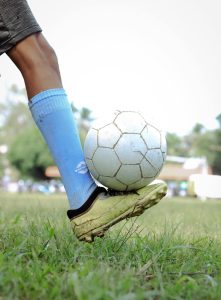
In this article i will be explaining how you can train your soccer skills alone at home or anywhere you prefer. i will be sharing all the tips and tricks that really improved my game.
I know how tough it can be to improve your soccer skills when you don’t have a team or training partner around. The good news is you don’t need a crowd to get better at the game you love. With a little creativity and dedication you can train soccer skills alone and see real progress.
I’ve spent countless hours working on my technique by myself and I’ve learned that solo training can be just as effective as group practice. Whether you want to sharpen your dribbling boost your shooting accuracy or build up your endurance there are plenty of drills and routines you can do on your own. Let’s get started how you can make every solo session count and take your soccer skills to the next level.
Materials and Equipment Needed
Solo soccer drills depend on reliable equipment. I use each item to maximize individual soccer skill development.
Soccer Ball
Every time I train soccer skills alone I rely on a quality soccer ball for all drills. Durability matters in repeated use for dribbling, passing, and shooting. If I choose a size 5 ball I match game conditions for adult practice. Inflating and checking the ball’s pressure maintains optimal rebound and control, essential for honing touch and accuracy. I switch to a futsal ball if I focus on close-quarters footwork indoors. A clean, undamaged ball creates consistency in solo soccer skills training.
Cones or Markers
Cones or markers transform open space for solo agility, coordination, and dribbling sessions when I train soccer skills alone. I set up at least ten flexible cones as slalom courses or create grid patterns for footwork routines. Flat disc markers serve as targets for passing or shooting accuracy. Visibility in bright colors helps me read the field quickly during rapid drills. Lightweight cones store easily in a backpack for portable soccer skills solo practice.
Goal or Target Area
A defined target area lets me sharpen shooting technique and accuracy while training soccer skills alone. I place a portable pop-up goal on grass or use a wall as a rebound target in a driveway. Lines drawn on a fence or garage door simulate goalposts if I lack a net. A clearly marked scoring zone keeps my focus sharp with each shot and provides measurable feedback across solo soccer drills.
Appropriate Footwear and Attire
Bulk-free athletic clothing and soccer-specific footwear improve comfort and safety during individual soccer training. I wear turf shoes or cleats for traction on grass or artificial fields and switch to flat indoor shoes for smooth surfaces. Moisture-wicking fabric keeps me dry through high-intensity drills while solo training soccer skills. Shin guards add protection during intensive movements or close ball control sessions, completing my essential gear for safe, effective solo practice.
Warming Up Properly
Preparing my body for solo soccer skills training reduces injury risk and improves movement efficiency. Warm-up sessions enhance flexibility, circulation, and focus before skill-based drills.
Dynamic Stretching
Dynamic stretching increases blood flow and activates muscle groups needed for soccer skills training alone. I start with leg swings, arm circles, and torso rotations to target hips, hamstrings, and shoulders. Repeating each movement 10–15 times on both sides raises my core temperature and flexibility. Controlled lunges with reach and high knees activate major muscle groups. When I use these dynamic stretches for soccer skills, my agility and coordination improve throughout the session. The consistent routine ensures joints and muscles operate at peak performance for ball control, dribbling, or shooting exercises.
Light Jogging and Mobility Drills
Light jogging and mobility drills prepare my body for soccer skills training alone by gradually increasing heart rate and improving functional movement. I jog at a moderate pace for 3–5 minutes around my training area or field. Adding movement-specific drills such as butt kicks, side shuffles, and carioca enhances lateral quickness and range of motion. Brief skipping or stride-outs reinforce running mechanics essential for solo soccer skills sessions. By combining jogging and mobility work, I create a seamless transition from warm-up to intense ball work, reducing strain during agility or shooting drill routines.
Ball Control and Dribbling Drills
Solo training allows me to refine my soccer skills alone with targeted drills. Focusing on ball control and dribbling techniques increases precision and confidence during matches.
Stationary Ball Control Techniques
Enhancing stationary ball control forms a fundamental part of soccer skills alone. I keep my feet shoulder-width apart and practice receiving the ball with different surfaces, including the inside, outside, and sole of each foot. I tap the soccer ball back and forth, keeping it close for 2-3 minute intervals to improve responsiveness. Alternating between right and left foot repetitions, such as 50 taps per foot, helps me identify dominant and weak sides. I also add toe taps, rolling the ball underfoot in a side-to-side motion. These stationary techniques build my touch and stability, essential for mastering advanced soccer skills alone, especially when progressing to more complex drills.
Dribbling Through Cones
Cone dribbling enables me to advance my dribbling skills during solo practice. I set 10 cones in a straight line, spacing each by about 3 feet. Beginning with inside foot touches, I navigate the soccer ball through the cones as quickly as possible while keeping it under control. Repeating this drill for 3-5 sets of 60 seconds emphasizes ball control while sprinting and changing direction. I vary my dribbling style by using only my left or right foot and by increasing cone density to challenge close control. Regular cone dribbling integrates sharp turns and sudden stops, helping me master dynamic soccer skills alone with accuracy and speed.
Tight Space Dribbling Challenges
Tight space dribbling emphasizes my ability to maintain ball control when room is limited. I arrange 4 cones to create a 5-by-5-foot box. While remaining in the box, I use rapid toe taps, inside-outside touches, and sole rolls, keeping the soccer ball inside the area at all times. Completing 3 sets of 90-second drills with brief rest periods forces quick footwork and precise ball touch. I simulate defensive pressure by adding movement patterns, such as sharp turns and feints. These tight space routines elevate my close control and agility, both vital elements for soccer skills alone training.
Tips for Improving Ball Touch
Effective solo soccer skills training requires consistent focus on touch improvement. I prioritize using both feet and all foot surfaces during warm-ups and drills. Practicing juggling with alternating foot touches—starting with 10 consecutive juggles and increasing each week—sharpens coordination. Video feedback, using my phone, allows me to analyze foot placement and adjust my form. Focusing on absorbing the soccer ball’s impact and cushioning it softly, especially during first-touch drills, promotes better possession. Using these tips, I reinforce my development and maximize the results of my soccer skills alone practice.
Passing and Receiving Practice
I rely on targeted soccer skill training to master passing and receiving, even while training alone. Every solo session strengthens my control and decision-making, which translates directly to better performance in real matches.
Wall Passing Drills
I use wall passing drills to sharpen my passing and receiving skills when I train soccer skills alone. I find a sturdy wall or rebound board and mark a target, such as with tape, for aim consistency. By passing the ball against different spots on the wall and quickly preparing to receive the rebound, I work on both short and long-distance passes within a single session. When I vary my passing angles and the force applied, I can replicate match situations and keep every rep challenging. I count repetitions—20 with my right foot, then 20 with my left—for balanced ball control. If I want to increase my intensity, I set a timer for each round and reduce recovery time. Incorporating quick touches after each retrieval mimics game speed and helps develop my reaction time for actual matches.
Receiving With Different Surfaces
I practice receiving with different surfaces to refine my overall control during my solo soccer skill sessions. I alternate using the inside, outside, and sole of my foot to cushion passes and redirect rebounds from the wall. During each round, I focus on a specific surface, such as the inside for ten repetitions, then switch to the laces or outside for the next sequence. If a surface feels less comfortable, I add extra sets or slow down my movements to isolate weaknesses. I always keep my ankle locked for stability, especially when redirecting passes with my laces or the outside edge. Integrating chest and thigh receptions challenges me to handle unpredictable bounces, simulating real match scenarios. I use a reflection window or video feedback to review my receiving form and make small adjustments each training session.
Improving Passing Accuracy Alone
I focus on improving passing accuracy alone to ensure consistent game performance from solo training sessions. I place fixed targets on the wall, like cones or marked squares, at varying heights and distances. Each pass aims for the center of a target, and I track successful strikes for immediate feedback. I rotate between crisp ground passes and lofted deliveries, so I develop a versatile range of passing skills. When I struggle to hit a spot consistently, I adjust my approach angle or positioning until accuracy improves. Recording my attempts over several sessions helps me track progress and identify persistent errors. By maintaining a high repetition count—usually aiming for fifty precise passes per surface—I solidify muscle memory for accurate distribution, a vital component for training soccer skills alone.
Shooting and Finishing Techniques
Solo soccer skill training creates opportunities to master clean shooting drills and finishing techniques. By focusing on purposeful repetition, I build my shooting accuracy and composure with targeted soccer skill training at home or the local field.
Shooting Against a Wall or Goal
My soccer skill training alone gains precision through consistent shooting against a wall or goal. I set a clear target area by marking zones on the wall with tape or using portable goals with different-sized nets. Each session, I start from varying distances like 8 yards then 10 yards, aiming for inside-the-post placements or the upper half of the wall. I practice rapid ball retrieval by shooting, chasing, controlling the rebound, and setting up the next shot, maintaining intensity throughout. For first-time finishes, I simulate in-game scenarios by rolling or tossing the ball before striking. My soccer skill training also includes keeping my non-kicking foot beside the ball to create a stable base, which reinforces clean technique even without a partner.
Practicing with Both Feet
Balanced soccer skill training requires frequent work with both the dominant and weaker foot. For every right-footed shot, I replicate with my left, maintaining symmetry in repetition counts—usually sets of 20 per foot. When shooting against a wall or into a goal, I alternate side angles, adjusting my approach to allow the weaker foot more direct access. By varying ball placement and experimenting with laces, instep drives, and inside-of-the-foot techniques, I ensure my solo soccer skill training maximizes development. To track progress, I monitor consistency and power by recording shot trajectories or pace with a simple smartphone app. Over time, my confidence and reliability with both feet increase, boosting my overall soccer finishing ability.
Setting Shooting Challenges
I engage in soccer skill training alone by designing specific shooting challenges that test accuracy and composure. I create point-based games by assigning values to different targets, such as 5 points for upper corners and 2 points for low center shots. Using cones or small objects, I build target zones within the goal, challenging myself to reach a score or beat a personal record within a time limit—10 shots in 2 minutes, for example. I vary shooting techniques for each drill, moving from volleys to low-driven efforts and incorporating weak foot attempts for added difficulty. By adjusting distance, angles, and goal size, my solo soccer skill training consistently adapts and produces measurable improvement.
Fitness and Agility Workouts
I improve my soccer skills alone by focusing on physical conditioning and agility development. Fitness and agility workouts create the base for skill movements and optimize solo performance.
Sprint and Endurance Intervals
I enhance my soccer skills alone by integrating sprint and endurance intervals. Short-distance sprints (20-meter explosive runs) replicate on-field speed bursts. I use 5 sets alternating sprint and walk recovery. Long-distance jogs (800 meters at a steady pace) target aerobic endurance for lasting match stamina. I mix intensity by setting a timer for 30 seconds sprint and 90 seconds active rest, repeating 8 cycles. These interval workouts steadily raise my heart rate and simulate real match demands, making solo soccer sessions more effective.
Ladder and Cone Agility Drills
I maximize my soccer skills alone by performing ladder and cone agility drills. For quick footwork, I lay out an agility ladder and practice high knees, lateral shuffles, and single-leg hops for 3 rounds each movement. I use five markers to design a zigzag course and complete slalom sprints to simulate sharp changes of direction. Shuttle runs back and forth between cone pairs challenge my reaction time and head coordination. Regular repetition of these agility workouts sharpens my movement speed and improves coordination for match conditions.
Core Strengthening Exercises
I support my soccer skills alone by prioritizing core strengthening exercises. Planks, side planks, and Russian twists target stability, with each set held for 45 seconds or completed for 20 repetitions. Mountain climbers and bicycle crunches add dynamic resistance for lower trunk strength. I track my progress by increasing time under tension and integrating balance challenges with single-leg holds. A strong core improves kicking balance, sprint mechanics, and injury resilience throughout independent soccer practice.
Advanced Skills to Practice Alone
Challenging advanced skills improves individual performance in targeted keyword solo soccer training. I integrate these focused routines after foundational drills to push my technique and boost match readiness.
First Touch Under Pressure
Refining first touch under pressure remains crucial in my targeted keyword solo soccer training. I simulate pressure by passing the ball against a wall with varying force and controlling it with different parts of my foot—instep, sole, outside, and inside. I challenge myself to react quickly after each rebound, reducing the time between receiving and redirecting the ball. I frequently test myself by moving into space after each touch to mimic game intensity. Using a stopwatch or phone timer, I set intervals between passes—such as 1.5 seconds—to increase intensity, tracking improvements weekly. Practicing in cramped spaces like a driveway or garage sharpens my ability to manage the ball in tight areas without help from teammates.
Juggling Routines
Consistent juggling routines feature in every targeted keyword solo soccer training session. I start by using both feet alternately before incorporating thighs and head. Keeping the ball aloft for 50 or more consecutive touches teaches balance and forces me to refine my ball touch. I switch challenges by attempting juggling with my weak foot, tracking progress in my training log. I use advanced progressions such as walking or performing 360-degree turns while juggling to mimic game scenarios. If the ball drops, I restart immediately to build focus and discipline. Mastering advanced juggling routines develops soft touch and quick foot coordination—key requirements in match conditions.
Turning Moves and Feints
Executing turning moves and feints improves targeted keyword solo soccer training efficiency. I practice sharp turns—Cruyff turns, drag backs, and inside-outside moves—using cones or markers as defenders. I switch direction rapidly while maintaining close control, repeating 5 to 10 reps per move. Adding body feints, such as step-overs or shoulder drops, enhances deception; I watch myself in a mirror or record videos for feedback. I integrate sprint-out phases after each completed move to simulate breaking away from opponents, combining both technical skill and acceleration within isolated training.
Practicing Set Pieces (Free Kicks, Corners)
Perfecting set pieces increases scoring opportunities in targeted keyword solo soccer training. I focus first on free kicks, setting up cones or objects within a marked goal area. I vary ball placement and distance with every attempt—testing different angles, bends, or dips. I use visual cues, aiming for consistent accuracy in the top or bottom corners at least 8 out of 10 tries. For corners, I simulate delivery by practicing from multiple sides of a backyard or park field, setting small boxes as targets for narrowing accuracy. I review recorded kicks to monitor improvements, ensuring targeted keyword solo soccer training leads to better match performance during dead-ball situations.
Tracking Progress and Setting Goals
Monitoring my solo soccer training maximizes improvement and helps me stay motivated. Using targeted soccer skills benchmarks, I can refine every session and push my personal limits.
Keeping a Training Log
Maintaining a soccer training log allows me to track my individual practice routines and soccer skills progress. Each entry includes the date, specific drills performed, and the duration of each activity. Listing milestones such as completed dribbling circuits or new juggling records provides measurable growth. Noting obstacles, like missed targets on set-piece drills, exposes consistent challenges. Reviewing these notes after every week highlights trends and suggests necessary adjustments in my soccer skills training plan. Relying on a clear record ensures my focus remains on advancing specific soccer skills during each solo session.
Setting Achievable Skill Targets
Defining realistic soccer skills targets builds momentum during solo training sessions. I choose three short-term goals with a one-week time frame, such as completing fifty consecutive juggles, perfecting ten accurate free kicks, and reducing cone dribbling times by ten percent. Adding one long-term target for each month, like scoring from five different angles using only my weaker foot, ensures sustained improvement. Structuring targets by skill level prevents discouragement, provided each goal matches my current abilities. Reviewing targets before each workout reinforces my soccer skills priorities and guarantees consistent growth with every solo soccer session.
Recording and Analyzing Your Training
Using video analysis during soccer skills solo training captures technical execution and aids in identifying errors. Setting a smartphone or camera at multiple angles documents every drill, including shooting form, dribbling patterns, and set-piece routines. Watching footage after practice pinpoints inefficient movements or weaknesses in ball control. Analyzing my videos each week against previous sessions shows tangible soccer skills progress or areas for modification. Cross-referencing notes from my training log with video feedback offers a comprehensive view of overall improvement, making my solo soccer training both efficient and targeted.
Troubleshooting and Common Issues
Solo soccer practice offers flexibility but often brings challenges that slow soccer skill improvements. Addressing problems quickly keeps individual progress steady.
Staying Motivated When Training Alone
Maintaining focus during solo sessions increases soccer skills quickly if distractions stay minimal. I set weekly soccer skill targets and document each session in my training log to visualize milestones. Breaking long-term goals into short drills, such as 15-minute dribbling sequences or daily juggling routines, builds momentum and reinforces progress. Introducing variety through alternate soccer skills—like shooting accuracy or agility ladder sprints—helps prevent boredom. I reward personal bests or completed sessions, which turns consistent practice into a series of motivating wins and keeps my solo soccer training productive.
Overcoming Space Limitations
Training soccer skills alone in limited spaces maximizes each available area when I adapt drills creatively. In a 3×3 yard area, I run close-control dribbling routines or quick-feet cone exercises, simulating tight in-game scenarios. Practicing juggling helps ball touch and control with just a few square feet. When I lack a full wall, a portable rebounder or a thick foam board substitutes for passing and shooting feedback. Vertical training—like wall volleys or upward foot-taps—compensates for lost field length, ensuring every solo session targets multiple soccer skills regardless of environment size.
Avoiding Bad Training Habits
Building effective soccer skill habits during solo training improves performance if routines follow sound technique. I use frequent video review to check for posture errors or improper foot placement, which prevents ingraining mistakes. Keeping each drill purpose-driven—such as clear control on turns or precise plant foot on shots—raises overall technical quality. Rotating through skill sets (dribbling, passing, shooting, agility) prevents repetitive strain and ensures balanced soccer skills development. Aligning every session with proven coaching tutorials or certified soccer skill curriculum reduces the risk of reinforcing flawed motion patterns during solitary practice.
Tips for Staying Safe and Injury-Free
Solo soccer training builds skills but demands targeted attention to safety and injury prevention. By applying a consistent routine and best practices, I extend my progress without setbacks.
Listening to Your Body
Paying attention to signals from my body supports safe soccer skills training alone. I recognize early signs like muscle tightness, joint discomfort, and unusual fatigue during training sessions—these often signal the need to stop or modify my drills. Adapting intensity and duration maintains steady improvement and lowers overuse injury likelihood when solo practice feels challenging.
For example, after a morning of 1-hour intense dribbling repetitions, if I notice persistent ankle soreness, I switch to low-impact ball control work or balance exercises. Tracking patterns in discomfort helps me adjust training frequency—reducing shooting drills to 3 days per week if knee strain arises. Prioritizing rest days within my solo soccer skills schedule keeps my progress consistent and minimizes interruption from preventable injuries.
Cooling Down and Stretching
Including a comprehensive cool-down routine anchors injury-free soccer skills practice alone. I use a 10-minute period post-session to bring down my heart rate gradually, promote faster recovery, and reduce muscle stiffness. Static stretches target major muscle groups I use during drills—quads, hamstrings, calves, hips, and lower back—improving flexibility essential for soccer skills.
For instance, after distance running or agility work, I sit and hold each stretch for 20-30 seconds, focusing on areas most engaged during my solo skill-building. Adding gentle yoga movements or foam rolling extends the benefit for deeper muscle relaxation. Maintaining a consistent post-practice stretching protocol helps me stay limber and lowers acute injury risk during future solo soccer skills sessions.
Conclusion
Solo soccer training has completely changed the way I approach the game. By taking ownership of my development and pushing myself outside my comfort zone I’ve discovered new levels of skill and confidence.
Every session is a chance to get better and enjoy the process. With the right mindset and a bit of creativity it’s amazing how much progress you can make on your own.
If you’re willing to put in the work and stay consistent your solo efforts will pay off on the field.
Frequently Asked Questions
Can solo soccer training be as effective as team practice?
Yes, solo soccer training can be just as effective as team practice if you stay committed and use drills that target your technique, endurance, and ball control. Solo sessions let you focus on specific skills and improve at your own pace.
What equipment do I need for solo soccer training?
You’ll need a quality soccer ball, cones or markers for agility drills, and proper footwear and attire. Optional items like portable rebounders and agility ladders can add variety, but the basics are often enough for productive training.
How should I warm up before solo soccer sessions?
Start with dynamic stretching and mobility drills (like leg swings and arm circles) to prepare your muscles and joints. Warming up increases blood flow, reduces the risk of injury, and helps you perform better during your main workout.
What are some effective solo drills for ball control and dribbling?
Practice close control dribbling around cones, stationary footwork drills, and juggling. These exercises improve your touch, quickness, and overall ball handling even without a teammate or coach present.
How can I improve my shooting accuracy alone?
Set up targets in the goal with cones or markers and practice shooting from various angles and distances. Focus on technique and consistency, and track your progress to identify areas for further improvement.
What fitness and agility exercises work well alone?
Sprint intervals, long-distance jogs, cone or ladder drills, and core workouts are highly effective for building soccer-specific endurance and agility. These exercises help mimic the intensity and footwork needed in real matches.
How can I track my soccer training progress by myself?
Maintain a training log to record your practice routines, skill improvements, and fitness gains. Set short-term and long-term goals, and use video analysis to review your techniques and spot areas that need work.
How do I stay motivated to train alone?
Set clear, achievable goals, break them into smaller tasks, and add variety to your workouts. Tracking progress and rewarding yourself for reaching milestones can also keep you motivated and engaged.
What can I do if I have limited space for soccer training?
Try close-control dribbling and juggling in small areas, use a portable rebounder for passing, or create agility drills using household items. Creative adjustments can help you get effective training even in tight spaces.
How can I avoid injuries during solo soccer training?
Always warm up and cool down properly before and after sessions, listen to your body, and adjust intensity if you feel discomfort. Include stretching and mobility work to prevent overuse injuries and promote muscle recovery.