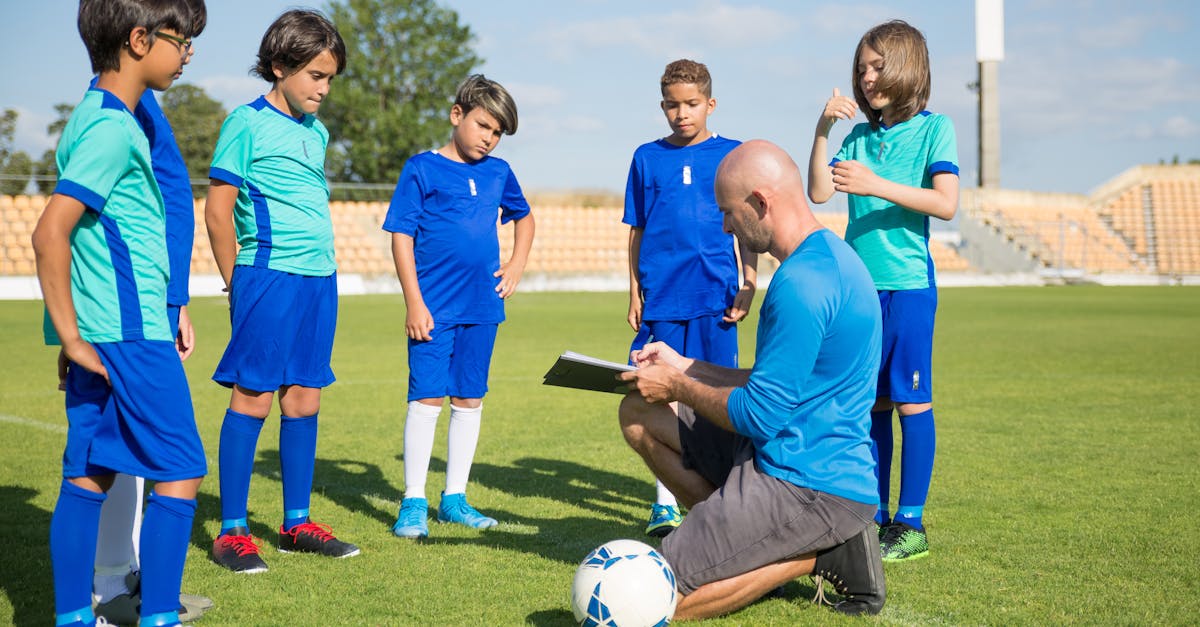

Watching kids discover soccer for the first time always brings a smile to my face. The excitement in their eyes as they chase the ball and try out new moves reminds me just how fun learning the basics can be. Soccer isn’t just about scoring goals—it’s about building confidence coordination and teamwork from the very first kick.
I know parents and coaches want to help kids start strong on the field. That’s why I focus on the essential soccer skills every child should learn. With the right foundation kids can develop their abilities and truly enjoy the game. Let’s explore the basic soccer skills that set young players up for success.
Materials Needed for Soccer Practice
Preparing for basic soccer skills for kids includes gathering specific equipment and accessories. These materials help create a safe and engaging environment where children can develop their confidence and coordination during each session.
Essential Equipment
Selecting the right essential equipment ensures kids practice basic soccer skills safely and effectively. I always include properly sized soccer balls for young players; examples include size 3 for ages 8 and under or size 4 for ages 8-12. I add shin guards to protect legs during drills and scrimmages. I fit children with supportive athletic shoes or youth soccer cleats for firm traction on grass or turf surfaces. I recommend using practice cones to organize dribbling and passing activities. I keep jerseys or different colored shirts available for easy team identification during group exercises. These soccer materials for kids promote safe learning and help every child focus on fundamental movements.
Optional Accessories
Adding optional accessories enhances soccer practice for kids by increasing engagement and convenience. I use water bottles to prevent dehydration during skill sessions. I carry small portable goals for goalkeeping and shooting drills that match real-game scenarios. I pack sports watches or stopwatches to time relay races or skill challenges. I sometimes bring pinnies for additional team variation in mixed-age settings. I encourage parents to add soccer socks for improved comfort and a durable ball pump for keeping soccer balls inflated. When I combine these soccer practice accessories with core gear, each child experiences more rewarding and enjoyable practices while learning basic soccer skills for kids.
Warming Up and Safety
I integrate basic soccer skills for kids into every warm-up to promote safety and prevent injuries. I emphasize preparing young bodies for movement before starting skill drills.
Importance of Stretching
I focus on stretching as the starting point for all basic soccer skills for kids. I target major muscle groups used most in soccer such as calves, hamstrings, and quadriceps. I ensure dynamic movements like leg swings, lunges, and arm circles take place before organized play if static stretching feels too advanced. I encourage gentle reaching and twisting motions for flexibility gains in younger players, considering each child’s experience and mobility. I dedicate 5 to 8 minutes for stretching exercises at every practice session for optimal muscle readiness and injury prevention. I frequently link better balance and safer fall responses to a complete stretching routine, based on guidance from the CDC.
Fun Warm-Up Drills for Kids
I introduce warm-up drills that combine fun and basic soccer skills for kids. I use “Red Light, Green Light” for running and stopping on command, teaching quick direction changes. I start “Sharks and Minnows” to help with dribbling and ball protection. I include “Follow the Leader” and have kids mimic my simple soccer moves, such as toe taps, side-steps, and gentle kicks. I rotate activities so every player participates and feels included, adjusting each drill to the group size and skill level. I ensure each warm-up incorporates running, balance, and coordination, foundational for building confidence and skill in every soccer session.
Dribbling Skills
Dribbling skills lay the foundation for every young soccer player’s development. My focus on basic soccer skills for kids starts with strong dribbling habits to instill confidence and precision in every movement.
Basic Dribbling Techniques
Teaching basic soccer skills for kids begins with proper dribbling posture. I keep my knees slightly bent and my weight balanced over the balls of my feet to stay agile. I use the insides, outsides, and soles of my feet to touch the ball in quick, short movements, which strengthens my ball control and precision. I keep my head up while dribbling so I can spot teammates, opponents, and open space on the field. When moving with the ball, I keep it close at all times, rarely letting it get more than 18 inches away. For beginners, I focus on walking or jogging while dribbling before advancing to faster speeds to maintain control and confidence in their basic soccer skills.
Dribbling Drills and Games
Structured dribbling games develop basic soccer skills for kids by creating real-game situations. I use cone dribble relays for improving direction changes and foot coordination—placing cones every 2 feet in a straight line, I dribble through and back with both feet. “Red Light, Green Light” simulates quick starts and stops under pressure, enhancing response time and self-control. I also play “Sharks and Minnows,” where each child dribbles inside a marked grid while others (sharks) try to steal the ball. These drills create a supportive environment to build dribbling confidence and reinforce basic soccer skills that translate directly to scrimmages and matches.
Tips for Improving Ball Control
Practical tips help improve ball control, providing kids with stronger basic soccer skills. I practice toe taps and foundation touches at the start of each session—hopping between each foot on the ball as fast as possible for short bursts of 30 seconds. I encourage dribbling with both feet during obstacles and free dribble periods to develop balanced movement. Staying light on my toes and using arms for balance prevents unnecessary falls and gives better field vision. When I focus on softly contacting the ball and using small steps, I keep the ball close and respond to changes on the field faster. These tips, combined with repetition during every session, build ball mastery-critical in developing reliable basic soccer skills for kids.
Passing Skills
I focus on teaching basic soccer skills for kids by prioritizing passing skills early in practice. Passing creates teamwork and improves field awareness, both key elements in soccer for children.
Proper Passing Techniques
I use basic soccer skills for kids to help players learn proper passing techniques. Balanced body posture remains essential, so I show them to plant the non-kicking foot next to the ball, then use the inside of the foot for a controlled push. Eye contact before passing and following through with the foot ensure the ball reaches the target. I emphasize short ground passes when kids first learn, such as passing 10 feet to a partner, since these demand more accuracy. Repetition with the inside and outside of both feet helps children master ball direction. Example corrections, like reducing toe kicks or opening hips, significantly boost passing consistency.
Passing Drills for Kids
Passing drills develop basic soccer skills for kids by fostering teamwork and movement. I use short passing circles, where five players form a circle and pass a ball between them at low speed, to build familiarity. Partner passing lines, with two lines of players 7 yards apart, encourage children to pass and receive in motion. “Gate passing” uses two cones as a goal—kids pass the ball through multiple gates in pairs, reinforcing precision. Relay races with timed passes add energy and urgency. By repeating these passing drills, kids gain real-game passing experience and improve reaction time.
Working on Accuracy and Timing
Focusing on accuracy and timing strengthens basic soccer skills for kids during passing exercises. I introduce point-based accuracy games, awarding 1 point for every correct pass into a small cone gate. Timing develops through moving passes—two kids run side-by-side while exchanging passes, trying to maintain distance and momentum. Shadow passing, where a child follows a coach’s movement while passing to meet specific timing cues, combines direction and speed changes. I monitor form and remind kids to watch both the ball and their teammate, ensuring well-timed, targeted passes. Consistent measurement of progress, such as recording passes completed out of 20 attempts, gives clear feedback and motivates improvement.
Shooting Skills
Shooting skills anchor basic soccer skills for kids by translating practice into goal-scoring confidence. I always integrate clear instructions and repetitive drills to nurture young players’ accuracy and composure under pressure.
Fundamentals of Shooting
Fundamentals of shooting lay the groundwork for effective soccer skills for kids. I teach kids to approach the ball with a steady stride and strike through the center using the instep or laces. Eyes remain on the ball until contact, while arms extend for natural balance. Both standing foot placement and contact timing influence accuracy and power, shaping consistent performance. Reinforcing proper body alignment and relaxed motion prevents awkward kicks. For young players, I focus on mastering controlled kicks before adding force. This progression ensures soccer skills for kids grow without developing poor habits. Regular feedback on foot placement and posture builds a strong shooting foundation. When kids become comfortable with these movements, their confidence in front of the goal rises.
Simple Shooting Drills
Simple shooting drills encourage mastery of basic soccer skills for kids. I set up cone targets inside the penalty area and ask players to shoot at specific spots, reinforcing direction and focus. Repetition drills, such as Shoot and Retrieve, require kids to shoot and then race for their rebound, increasing shooting volume while keeping attention high. Gate Shooting involves small goals or cones to train both aim and decision speed. Relay competitions or partner challenges add excitement and build resilience under pressure. In every drill, I rotate shooters and offer consistent guidance, ensuring all kids participate and gain repetition. Emphasizing movement before and after each shot mirrors real match conditions, helping players transition naturally from dribbling or passing to shooting. Regularly using these shooting skills drills accelerates improvement in game-like scenarios.
Teaching Kids About Aim and Power
Teaching kids about aim and power sharpens basic soccer skills for kids during shooting practice. I use color markers, numbers, or visual targets within the net to help kids select and achieve precise shot locations, improving their focus and consistency. For teaching power, I encourage controlled swings instead of wild kicks, showing that using the laces creates stronger, straighter shots. Side-by-side demonstrations clarify how low backlift and proper follow-through generate force naturally. Progressing from slow-motion strikes to full-speed attempts helps children internalize the connection between technique and outcome. By reviewing video clips or using instant feedback, I identify progress and areas for adjustment. Combining accuracy and strength in every session ensures young players develop soccer shooting skills that translate directly to success during real matches.
Ball Control and Trapping
Ball control and trapping are core basic soccer skills for kids. I focus on building these skills after introducing shooting activities to ensure every child can tame, direct, and move the ball confidently.
Trapping Techniques
Solid trapping techniques create more space and time, so I start with clear visual cues and step-by-step repetition. I teach inside-of-foot trapping as the safest method for young players. I ask kids to keep knees slightly bent, eyes on the incoming ball, and cushion the ball’s impact by pulling the inside of the foot back as the ball arrives. For thigh trapping, I direct players to lift one leg, using the flat surface between the knee and hip to absorb the ball’s speed by relaxing the contact point. I address chest trapping by reminding players to puff out their chest slightly and soften contact by leaning back. These trapping basics let kids transition smoothly from receiving to dribbling or passing, which strengthens their overall ball control and builds confidence with basic soccer skills for kids.
First Touch Drills
First touch drills are essential for mastering ball control as part of basic soccer skills for kids. I create small-sided games and progressive activities that focus on the initial contact with the ball. One-touch passing circles, for example, require players to take turns receiving and redirecting the ball with only one touch. I run “first touch to cone” exercises, guiding kids to receive a pass and use their first touch to push the ball toward a set marker. Wall passes and rebounded touches create repetition for mastering direction and strength. I always provide feedback on whether players keep the ball close and in their preferred direction after their first touch. Consistent practice using these first touch drills helps kids gain sharper control and quicker reactions while reinforcing basic soccer skills for kids in all field positions.
Defensive Skills
Defensive skills for kids create balance and confidence on the soccer field. I create targeted soccer drills and explanations that develop core defending habits while integrating basic soccer skills for kids into each drill and tip.
Basic Positioning for Defense
Basic defensive positioning creates a strong foundation for young players. I keep knees slightly bent and weight balanced on the balls of the feet to stay ready for quick movement. I stay between the goal and the opponent, using my body to block passing lanes. I watch the soccer ball instead of the opponent’s feet to anticipate actions effectively. I remember to keep enough distance—about 1 to 2 steps—without lunging or getting too close unless I see a clear opportunity to win the ball. I use small steps and avoid crossing my feet while shuffling. I communicate clearly with teammates, giving cues like “Left!” or “Pressure!” to help organize the defense. These basic soccer skills for kids turn routine defense into active engagement on the pitch.
Tackling Tips for Beginners
Tackling in soccer means timing and control for every youth defender. I approach the attacker slowly, lowering my center of gravity by bending my knees and keeping my head up. I use the inside of my foot to poke the ball away rather than swinging or attempting slide tackles, since most basic soccer skills for kids focus on safety and accuracy. I wait for the attacker to push the ball slightly too far before stepping in. I aim to stay patient and avoid fouling by extending my leg only when I see a clear chance. I keep my arms down and my body in line with the ball, using my strength for balance, not to push. Practicing these targeted defensive skills builds confidence and helps kids win back possession safely while reinforcing basic soccer skills for kids in actual play scenarios.
Playing as a Team
Playing as a team combines basic soccer skills for kids with support, strategy, and connection on the field. I show children how these skills help everyone contribute, reinforcing their sense of teamwork and success in every match.
Understanding Teamwork and Communication
Emphasizing basic soccer skills for kids, I focus on showing how teamwork and communication drive every game. I encourage listening to teammates and using signals like “I’m open” or “Pass” during practices. Using simple phrases boosts coordination and confidence. I set up structured partner challenges, such as passing or dribbling in pairs, so every child experiences direct feedback and learns to share space and responsibilities. I review real-game footage for youth teams and ask questions about movement and decision-making, increasing field awareness and memory retention. I reinforce inclusive play by mixing groups with different strengths—ensuring each child participates, develops trust, and values communication as a key soccer skill.
Small-Sided Games to Encourage Team Play
Applying basic soccer skills for kids in small-sided games increases involvement and learning. I select games with fewer than eight players per team, such as 3v3 or 4v4 scrimmages. I find these formats provide more touches on the ball, quicker decision-making, and improved cooperation. I rotate roles, allowing each child to try defending, passing, and shooting. By scoring points for passes completed instead of only goals, I focus attention on teamwork and support. I use games like “King of the Ring” and “Keep Away” to reinforce space sharing and collective effort. These targeted small games allow me to track progress in communication, support, and core soccer skills for kids, combining fun with measurable growth.
Troubleshooting Common Issues
Basic soccer skills for kids often present challenges. I address typical setbacks by focusing on positive engagement, attention strategies, and targeted corrections.
How to Motivate Reluctant Players
Motivating reluctant players during basic soccer skills for kids sessions involves identifying the underlying cause of hesitation. I give specific praise for progress, such as successfully dribbling around cones or making a clean pass. I create a friendly competition, using small challenges like “dribble as many cones as possible in 30 seconds” to boost involvement. Involving each child in team-based activities, including passing relays or group shooting games, builds a sense of belonging. I rotate leadership roles weekly, allowing each child to lead a warm-up or demonstrate a ball control exercise, which builds confidence. I consistently connect training to fun by integrating games that highlight the fundamentals of basic soccer skills for kids, ensuring sustained participation.
Dealing with Short Attention Spans
Managing short attention spans requires structuring basic soccer skills for kids practices with rapid transitions and varied activities. I break drills into short segments, rarely exceeding five minutes, such as quick-fire shooting or passing rotations. I alternate between physical drills and cognitive games, for example, following the “Red Light, Green Light” format after completing a trapping exercise. I use simple instructions and visual cues—demonstrating inside-of-foot passes or showing cone targets—to clarify each skill. Frequent water breaks and dynamic warm-ups, including tag-based games or mini scrimmages, provide mental resets. I focus on basic soccer skills for kids in every activity, maintaining engagement and minimizing downtime.
Correcting Common Mistakes
Correcting common mistakes when teaching basic soccer skills for kids depends on clear feedback and positive reinforcement. I isolate errors in technique, such as kicking with toes instead of the inside of the foot, then demonstrate proper form using slow-motion walkthroughs. I set up corrective drills—like cone-to-cone dribbling with a focus on close ball touches—for repeated practice. I encourage self-correction by pairing kids up to observe and give feedback, reinforcing proper passing alignment or balance during shooting basics. I immediately reinforce improvements, turning mistakes into teachable moments centered on the core principles of basic soccer skills for kids to ensure safe, effective learning.
Additional Tips for Parents and Coaches
Supporting young players goes beyond teaching basic soccer skills for kids. Parents and coaches play a critical role in keeping learning enjoyable and reinforcing positive team values.
Keeping Practices Fun and Engaging
Building excitement around basic soccer skills for kids starts with active sessions. I structure practices with varied activities and short games, alternating between dribbling relays, passing challenges, and shooting stations every 10 to 12 minutes. Introducing themed practice days, such as “Pirate Adventure” or “Superhero Soccer,” creates anticipation and strong memories. Providing instant feedback and celebrating improvement—such as recognizing effort during ball control exercises or teamwork drills—keeps every child engaged. I rotate leadership roles, letting kids lead warm-ups or pick the next skill drill, which increases participation and confidence. If practices feel routine, I adjust by inviting children to suggest fun new games or practice variations that focus on basic soccer skills for kids.
Encouraging Fair Play and Good Sportsmanship
Modeling respectful behavior reinforces both basic soccer skills for kids and positive social development. I introduce handshakes, high-fives, or simple words like “good pass” before and after group drills and scrimmages. Addressing the importance of following team rules and respecting referees or opponents is essential during every activity. During competitive games or challenges, I explain that how players win or lose shows true character, using specific examples from previous games. When disputes arise, I pause the activity and guide children through conflict resolution, praising solutions that consider everyone’s feelings. Recognizing and rewarding moments of honesty and unselfish play—such as sharing the ball or accepting decisions gracefully—strengthens the team’s understanding of fair play as they learn basic soccer skills for kids.
Conclusion
Helping kids build basic soccer skills is one of the most rewarding experiences for any parent or coach. I love seeing young players gain confidence as they master new techniques and discover the joy of teamwork on the field.
Every child learns at their own pace so patience and encouragement go a long way. When you focus on creating a positive and engaging environment kids are more likely to stay motivated and enjoy their soccer journey.
With the right approach and a bit of creativity you can inspire a lifelong love for the game while teaching the skills that set young players up for success.
Frequently Asked Questions
What are the most important soccer skills for beginners?
The most important soccer skills for beginners include dribbling, passing, shooting, ball control (trapping), and basic defensive positioning. These skills form a strong foundation for young players to build confidence and enjoy the game.
What equipment do kids need to start soccer practice?
Kids need a properly sized soccer ball, shin guards, supportive athletic shoes, practice cones, and jerseys. Optional accessories like water bottles, portable goals, sports watches, and pinnies can also enhance the practice experience.
How can I help my child develop better ball control?
Encourage your child to practice simple exercises like toe taps, foundation touches, and first-touch drills. Games such as “Red Light, Green Light” and cone dribbling relays also help improve control and confidence with the ball.
Why are warm-ups and stretching important for young soccer players?
Warm-ups and stretching reduce the risk of injury, prepare muscles for activity, and help kids focus before practice. Integrating fun warm-up drills keeps children engaged while improving their athletic coordination.
How do I keep soccer practice fun for kids?
Use short, varied drills, play games such as “Sharks and Minnows,” and include friendly competitions. Rotating activities and offering positive encouragement maintain excitement and ensure children stay motivated.
What can I do if my child is reluctant to play soccer?
Listen to their concerns, make practices low-pressure, and include team-based games to build trust. Celebrate small achievements, and prioritize fun to help hesitant players feel more comfortable and confident.
Which drills help improve passing and teamwork?
Short passing circles, partner passing lines, and “gate passing” drills help improve accuracy and decision-making. Encouraging simple communication phrases during these drills also boosts teamwork and field awareness.
How can parents and coaches correct mistakes without discouraging kids?
Provide clear, positive feedback focused on learning, not results. Turn mistakes into teachable moments, reinforce effort, and celebrate improvement to build confidence while developing skills.
Why are small-sided games (like 3v3 or 4v4) recommended for beginners?
Small-sided games give each player more touches on the ball and encourage faster decision-making. They promote teamwork and inclusivity, allowing children to apply skills in real-game situations while having fun.
How can good sportsmanship and teamwork be taught to young soccer players?
Model respectful behavior, encourage communication, and address conflicts calmly during practice. Celebrate acts of fair play, offer opportunities for players to collaborate, and reinforce positive team values consistently.


